For most families, the refrigerator is one of the safest and most reliable appliances in the home.
It quietly runs day and night, keeping food fresh, preserving medicine, storing baby formula, and supporting everyday life without much thought. But in recent years, alarming reports involving refrigerators catching fire or even exploding have raised serious concerns among homeowners and safety experts alike.
What sounds like a scene from a movie is, unfortunately, a real risk under certain conditions.
And in many cases, there are warning signs before disaster strikes.
Understanding those warning signs — and knowing how to respond — could make all the difference in protecting your home and family.
Why Refrigerators Can Become Dangerous
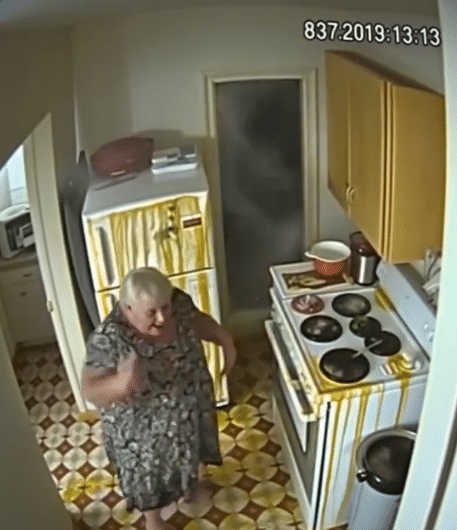
Modern refrigerators are far more advanced than older models. Today’s appliances are designed to be energy-efficient, environmentally friendly, and packed with smart technology.
However, these improvements can also introduce new safety challenges.
Experts say refrigerator explosions or fires are typically linked to three major causes:
- Flammable refrigerant leaks
- Electrical malfunctions
- Overheating due to poor ventilation
While such incidents remain relatively rare, the consequences can be devastating when they occur.
The Hidden Risk of Modern Refrigerants
One of the biggest changes in appliance technology involves refrigerants — the substances refrigerators use to keep food cold.
Many modern units now rely on hydrocarbon-based refrigerants such as:
- Isobutane (R-600a)
- Propane (R-290)
These refrigerants are considered more environmentally friendly than older chemicals that harmed the ozone layer. As countries pushed for greener technologies, manufacturers adopted these newer alternatives to support sustainability goals.
But there’s an important downside.
Hydrocarbon refrigerants are highly flammable.
If a leak develops inside the appliance and the gas encounters even a small electrical spark, ignition can occur almost instantly.
Safety experts stress that refrigerator explosions are not common, but the risk becomes much higher when appliances are poorly maintained or damaged.
Electrical Problems Can Become Serious Fast
Refrigerators operate continuously — often 24 hours a day, seven days a week.
That constant operation puts stress on electrical components such as:
- Compressors
- Wiring systems
- Internal relays
- Cooling fans
Over time, wires can become worn, loose, or frayed. Aging electrical systems may also produce sparks without homeowners realizing there’s a problem.
If a spark occurs near leaking refrigerant gas, the situation can quickly escalate into a fire or explosion.
According to technicians, many families ignore early warning signs because refrigerators are considered “background appliances” people rarely think about until something goes wrong.
Poor Ventilation Creates Dangerous Heat Buildup
Another major factor is overheating.
Refrigerators naturally release heat through coils and ventilation systems located behind or underneath the appliance. When airflow becomes blocked, excessive heat can accumulate.
Common ventilation mistakes include:
- Placing the fridge too close to walls
- Installing refrigerators inside tight cabinets
- Blocking rear vents with boxes or clutter
- Failing to clean dust buildup around coils
Overheating not only reduces efficiency and increases electricity costs — it can also increase the risk of electrical failure.
Experts recommend leaving several inches of space behind and around refrigerators to allow proper airflow.
Warning Signs Families Should Never Ignore
In many cases, refrigerators show signs of trouble before a serious incident occurs.
Homeowners should pay close attention to the following warning signs:
Unusual Noises
Clicking, buzzing, or loud humming sounds may indicate compressor or electrical problems.
Excessive Heat
If the back or sides of the refrigerator feel unusually hot, airflow or internal components may be failing.
Strange Smells
Chemical odors or burning smells should never be ignored. Some refrigerant leaks produce unusual scents.
Flickering Interior Lights
Electrical instability inside the appliance may signal wiring issues.
Frequent Power Cycling
If the refrigerator constantly turns on and off unexpectedly, the compressor may be struggling.
Any of these symptoms should be evaluated by a qualified technician immediately.
Why Prevention Matters
For most households, refrigerators contain far more than food.
They often store:
- Medications
- Baby formula
- Fresh groceries
- Essential meal supplies
An appliance fire or explosion can therefore create not only property damage but also emotional trauma and financial hardship for families.
Fortunately, many risks can be reduced through simple preventive steps.
How to Protect Your Home and Family
Schedule Routine Maintenance
Experts recommend professional inspections at least once or twice a year.
Technicians can detect:
- Refrigerant leaks
- Worn electrical wiring
- Compressor problems
- Signs of overheating
Regular maintenance also helps extend appliance lifespan and improve energy efficiency.
Keep the Refrigerator Properly Ventilated
Always leave enough space around the appliance for airflow.
Avoid pushing refrigerators tightly against walls or surrounding them with clutter.
Avoid DIY Repairs
Modern refrigerators involve complex electrical systems and pressurized refrigerants. Attempting repairs without training can make problems worse and increase safety risks.
Always contact certified repair professionals.
Choose Trusted Brands and Warranties
When purchasing a refrigerator, consumers should look beyond price alone.
Important considerations include:
- Safety certifications
- Manufacturer reputation
- Warranty coverage
- Customer reviews
Investing in a quality appliance can prevent expensive problems later.
Install Smoke Detectors Nearby
Smoke detectors near kitchens and appliance areas provide early warning if overheating or electrical fires occur.
The Bigger Lesson About Technology and Safety
The growing conversation around refrigerator explosions reflects a larger reality about modern life.
As technology becomes more advanced, households must also become more aware of maintenance and safety responsibilities.
Today’s homes rely heavily on electrical devices and smart appliances. While these innovations improve convenience, they also require proper care and education.
Safety experts encourage communities and schools to promote basic household safety education covering topics such as:
- Electrical safety
- Appliance maintenance
- Emergency preparedness
- Fire prevention
Knowledge remains one of the strongest forms of protection.
Supporting Families Through Awareness
Many families simply don’t realize that appliances require ongoing maintenance.
Community outreach programs, online educational resources, and local workshops can help spread awareness and prevent accidents before they happen.
Parents especially benefit from understanding potential household hazards because children are often the most vulnerable during emergencies.
Creating safer homes is ultimately a shared responsibility between manufacturers, consumers, communities, and safety organizations.
The Future of Safer Appliances
The good news is that manufacturers continue working toward safer technology.
Future refrigerators may include:
- Advanced leak detection sensors
- Improved cooling systems
- Smart overheating alerts
- Safer eco-friendly refrigerants
- Automated shutdown systems
As innovation continues, appliances are expected to become both more sustainable and more secure.
Consumers can support this progress by staying informed and prioritizing safety when making purchasing decisions.
Conclusion
The idea of a refrigerator exploding may sound frightening, but awareness and prevention can dramatically reduce the risk.
By understanding the causes — including flammable refrigerants, electrical malfunctions, and poor ventilation — families can take proactive steps to protect their homes and loved ones.
Most importantly, this issue serves as a reminder that even everyday appliances deserve attention and care.
A few simple precautions today could prevent a devastating emergency tomorrow.
And in the end, creating a safe home isn’t about fear — it’s about preparation, responsibility, and peace of mind.


