
For most people, a beach holiday means leaving work behind. Cesc Fàbregas apparently found room in his vacation plans for the very thing that filled his professional life: a football.
During a Sardinian getaway covered in July 2012, the Barcelona midfielder brought a ball to the beach and displayed his technique in front of his girlfriend Daniella Semaan’s son. Daniella recorded the action on her phone before Fàbregas and the youngster played together.
The original report suggested he wanted to win the boy’s affection. His intentions remain an interpretation, but the scene itself offers something simpler and warmer: an accomplished athlete sharing a game with a child.
A Sardinian Break With a Football Close By

The supplied account places Fàbregas in Sardinia, Italy, during his summer holiday. Rather than keeping his sporting skills entirely off duty, he brought a football along for a beach outing.
He then attempted an eye-catching volley while Daniella’s son watched.
A volley requires striking the ball before it touches the ground. On a professional pitch, timing can determine whether the attempt produces a spectacular finish or an awkward miss. On the beach, the stakes were considerably smaller. There was no scoreboard to protect and no crowd waiting for a result. The point was the activity itself.
Daniella Semaan Recorded the Playful Moment
According to the original report, Daniella used her phone to capture Fàbregas demonstrating his skills.
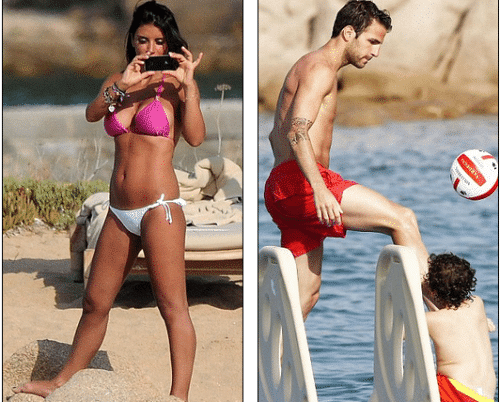
That detail gives the scene a familiar quality. Even when the person in front of the camera is an international footballer, recording a playful holiday moment remains an ordinary family habit.
The account then describes Fàbregas and her son playing football together. That shared activity matters more than the individual trick. A spectacular touch lasts a moment; passing a ball back and forth creates an opportunity to participate, respond, and enjoy the same experience.
Was He Trying to Make a Good Impression?
The original headline presented the volley as an effort to become closer to Daniella’s son. It is an appealing explanation, but no quoted statement from Fàbregas confirms it.The distinction is worth preserving without taking the enjoyment out of the story. He may have wanted to entertain the youngster, share something he loved, or simply play.
What the report supports is clear enough: the boy watched his technique, Daniella recorded it, and the two subsequently joined in a game.
Cesc Fàbregas’s Birth Year and Football Beginnings
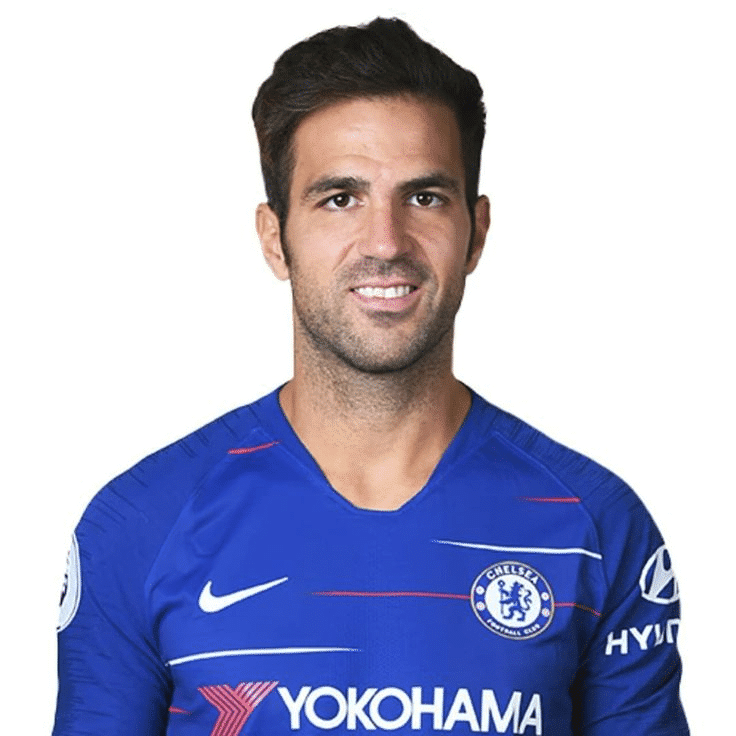
Francesc Fàbregas Soler was born on May 4, 1987, in Arenys de Mar, Spain. He was therefore 25 during the July 2012 holiday.
The Spanish football federation records his birthplace and birth date, placing the beach appearance within the early prime of his playing career. By that point, he had already experienced football at its highest levels.
Yet the beach scene stripped away much of the surrounding machinery. There were no tactical instructions or formal introductions, just a familiar object and the skill to make it do something interesting.
From Barcelona’s Youth System to Arsenal
Fàbregas joined Barcelona’s youth setup in 1997 before moving to Arsenal as a teenager. His years in England established him as an influential midfielder, known for creating opportunities and controlling the rhythm of a match.
He returned to Barcelona in August 2011, beginning another chapter at the club where his development had started. Barcelona’s official retrospective records that return for the 2011–12 season.
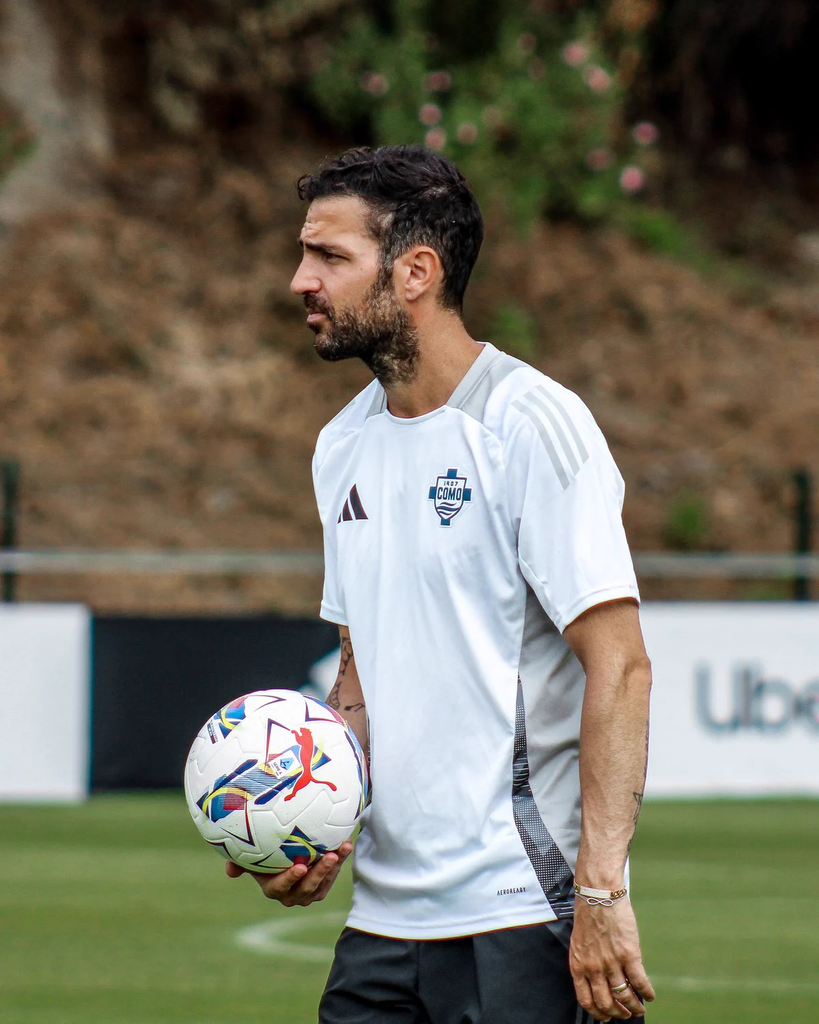
For supporters, his appeal involved more than elaborate tricks.
He could spot a run, release a pass at the right moment, and make a difficult situation appear straightforward. Those qualities helped distinguish his professional game.
The Holiday Followed Spain’s European Triumph
The timing adds an important sporting backdrop.
On July 1, 2012, Spain defeated Italy 4–0 in the European Championship final. Fàbregas helped create the opening goal, supplying the cross that David Silva headed into the net.
Less than two weeks later, the supplied holiday report showed him enjoying a very different football moment. That contrast gives the story its strongest image: a player moving from a major international final to a casual game beside the sea. The ball remained familiar. Everything around it had changed.
The Assist That Helped Define His International Career
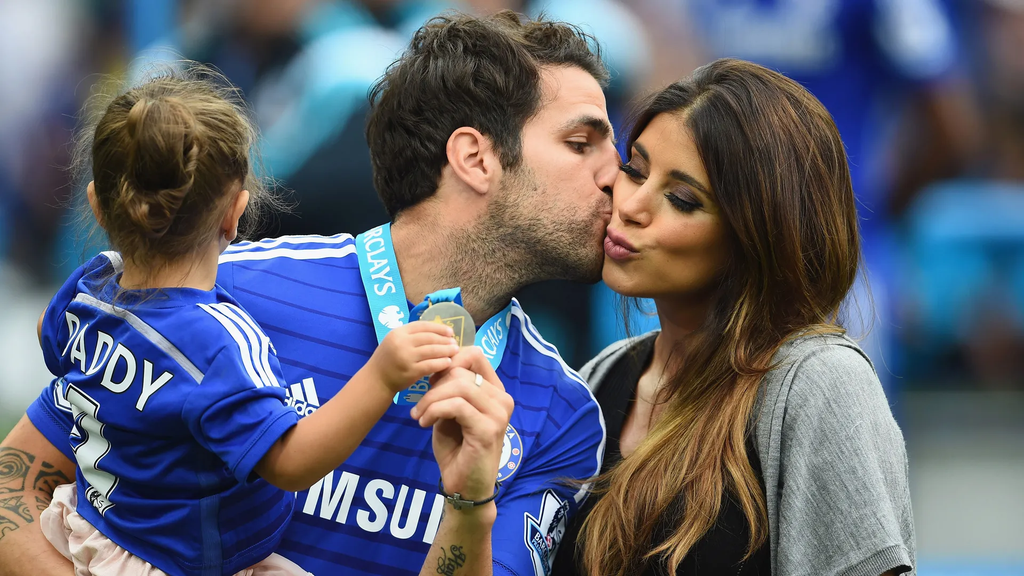
Fàbregas had also contributed to Spain’s World Cup triumph in 2010, providing the pass for Andrés Iniesta’s winning goal in the final.
The Spanish federation highlights that assist among his most significant international contributions.
Those achievements explain why even a small holiday display attracted coverage.
Readers were watching someone associated with enormous sporting occasions bring the same enthusiasm into an everyday setting. The pleasure came from seeing the professional reputation meet a much smaller, more personal audience.
Conclusion
Cesc Fàbregas’s Sardinian beach outing captured a playful pause after a remarkable summer of football. He demonstrated a volley, Daniella Semaan recorded the moment, and he shared a game with her son. Whether or not he intended to make a particular impression, the confirmed scene stands on its own: a celebrated midfielder finding another reason to enjoy the ball, far from the pressure of competition.