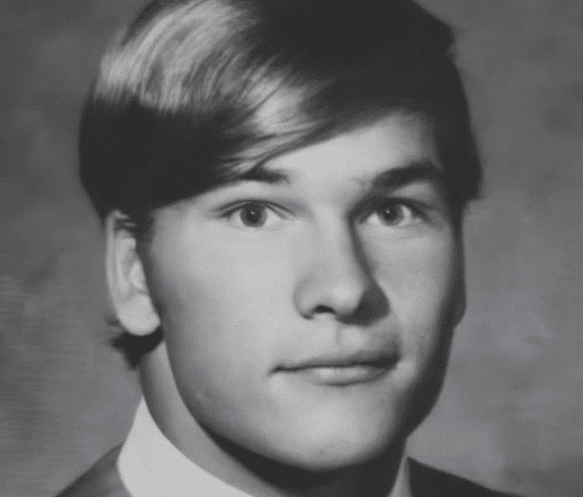
Some actors leave us with more than a collection of favorite movies.
They become connected to memories of our own lives: a first date at the theater, a song playing on the radio, or an evening when a film made us laugh and reach for a tissue within minutes.
Patrick Swayze holds that place for many people.
He could command an action scene, make a romantic moment feel sincere, and dance with the confidence of someone who had spent years learning every movement. That combination gave him a distinctive presence during the 1980s and 1990s.
Yet his story began far from Hollywood.
It started in Houston, in a family where dance mattered, and grew into a career that included memorable films, music, television, and a marriage lasting more than three decades.
A Houston Childhood Built Around Dance
Patrick Wayne Swayze was born on August 18, 1952, in Houston, Texas.
His mother, Patsy Swayze, worked as a dance instructor and choreographer. Through her, he encountered dance early and developed skills that would eventually become central to his screen identity.
That background helps explain something audiences often noticed without thinking about it.
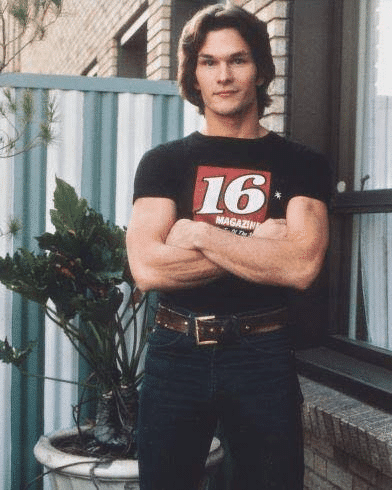
He moved with purpose.
Whether he crossed a room or performed a demanding routine, his physical control gave the scene a particular energy. Years of training stood behind movements that appeared effortless.
We sometimes call that natural talent.
With Swayze, discipline was part of the picture, too. The boy learning in a dance studio gradually developed the tools that would help distinguish him as an actor.
Early Roles Introduced a Versatile Performer
Before Dirty Dancing made him an international star, Swayze appeared in films and television projects that introduced different aspects of his talent.
In The Outsiders in 1983, he played Darrel “Darry” Curtis. The role placed him within a story about brothers, responsibility, and the pressures facing young people.
Then came the television miniseries North and South in 1985.
These projects helped build recognition before his most famous romantic roles arrived. They also established that his screen appeal extended beyond dancing.
He could bring weight to a character.
His physical presence attracted attention, but his performances also made room for loyalty, concern, and emotional tension.
That range would become increasingly important as his career expanded.
Dirty Dancing Turned Him Into a Movie Icon
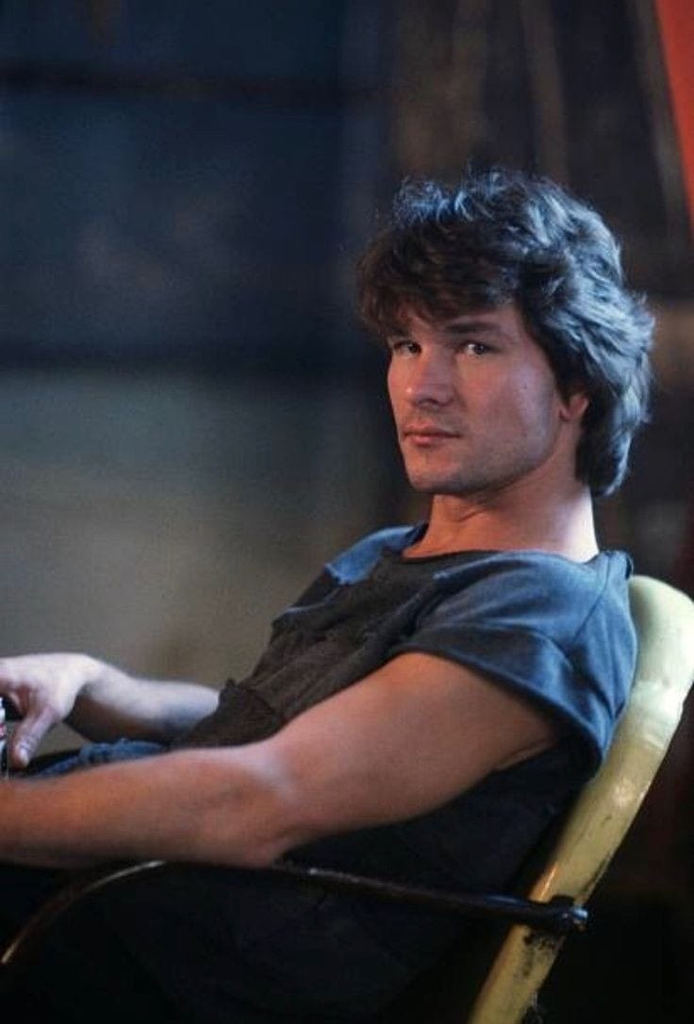
In 1987, Swayze starred opposite Jennifer Grey in Dirty Dancing.
As dance instructor Johnny Castle, he brought together the qualities that made him memorable: confidence, physical precision, vulnerability, and a strong connection with his scene partner.
The dancing mattered enormously.
So did the quieter moments between the routines.
A romantic film needs more than impressive choreography. Viewers have to care about the people performing it, and Swayze helped make Johnny’s hopes and frustrations feel meaningful.
His performance earned a Golden Globe nomination and established him as a leading man with an unusual set of skills.
Ghost Revealed His Tenderness on Screen
Swayze followed with another defining performance in Ghost in 1990, starring alongside Demi Moore.
As Sam Wheat, he helped anchor a story that combined romance, suspense, humor, and longing.
His work earned another Golden Globe nomination.
The film demonstrated how effectively he could communicate affection through small moments. He did not need every scene to announce its importance.
Sometimes, a look carried the feeling.
For audiences who knew him through Dirty Dancing, Ghost offered a different expression of his romantic appeal. The connection depended less on movement and more on emotional presence.
He made an extraordinary story feel connected to recognizable love.
Road House and Point Break Showed Another Side

Swayze also built a lasting connection with action-film audiences.
In Road House in 1989, he played Dalton, bringing controlled intensity to the role. In Point Break in 1991, he starred opposite Keanu Reeves as Bodhi.
These characters differed from his romantic leads, yet they benefited from the same physical confidence.
He could suggest power without filling every moment with aggression.
That restraint made his performances interesting to watch. Viewers could sense energy beneath the surface, waiting for the scene to change.
His later Golden Globe nomination for To Wong Foo, Thanks for Everything! Julie Newmar further reflected a willingness to explore different characters rather than remain within one familiar image.
The Singer Behind “She’s Like the Wind”
Swayze’s creative work also included music.
He co-wrote and performed “She’s Like the Wind,” which appeared on the Dirty Dancing soundtrack.
For many fans, the song remains inseparable from memories of that film and the period surrounding it.
It added another dimension to his appeal.
Acting, dancing, and singing allowed him to communicate in different ways. Each required its own preparation, but together they gave audiences a fuller sense of his creative abilities.
The soundtrack preserved his voice alongside the performances that made his face familiar.
A Long Marriage With Lisa Niemi
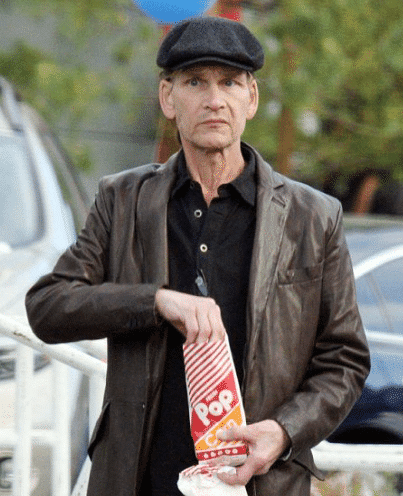
Swayze met Lisa Niemi when she attended dance classes at his mother’s studio.
They married on June 12, 1975, years before his biggest movie successes, and remained together for more than 34 years.
Their shared dance background formed part of their connection. Lisa was also a performer, giving them an understanding of the work behind public appearances.
The length of their marriage adds an important chapter to his story.
Fans remember the romantic characters.
Behind those roles stood a relationship that began before international recognition and continued through changing professional and personal circumstances.
His Final Years and Lasting Legacy
Swayze received a pancreatic cancer diagnosis in January 2008. During treatment, he continued working on the television drama The Beast.
He and Lisa also wrote the memoir The Time of My Life, sharing their experiences in their own words.
He passed away on September 14, 2009, at 57.
His films continue to introduce his work to new viewers while bringing earlier memories back to longtime fans.
Conclusion: More Than a Familiar Leading Man
Patrick Swayze’s legacy brings together discipline, versatility, music, and enduring personal commitment.
Dirty Dancing showcased his movement. Ghost revealed his tenderness. His action roles demonstrated strength and control, while his marriage added depth to the life behind the screen.
Together, those chapters explain why audiences still remember him with affection—and why his performances remain worth returning to.