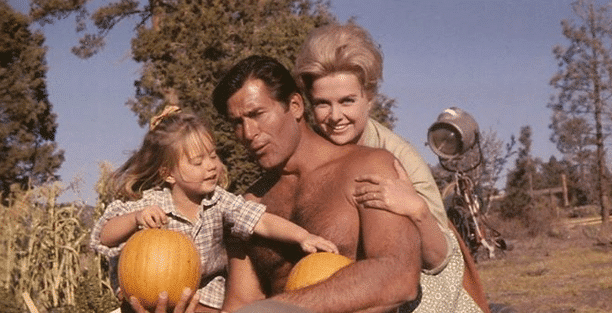
Some television stars bring back an entire room: the family sofa, a familiar theme song, and someone calling from the kitchen that your favorite show is starting. For generations of American viewers, Clint Walker belongs to that kind of memory.
As Cheyenne Bodie in Cheyenne, Walker offered a reassuring presence. He stood six feet six inches tall, but his appeal reached beyond his remarkable height. His measured voice, patient manner, and quiet confidence made him a hero audiences wanted to welcome into their homes.
Looking back at his career reveals more than a collection of Western adventures. It brings us closer to an actor whose working roots, memorable performances, and affectionate family photographs still interest classic Hollywood fans.
Clint Walker and the Familiar Comfort of Classic Westerns
Think about the Western programs you watched growing up. You may remember horses crossing open country, dusty streets, and a stranger arriving just when a community needed help.
Those familiar settings gave viewers a place to escape. Yet the leading character made the journey worthwhile. A good television Western needed someone who could hold your attention through a conversation as easily as through an action scene.
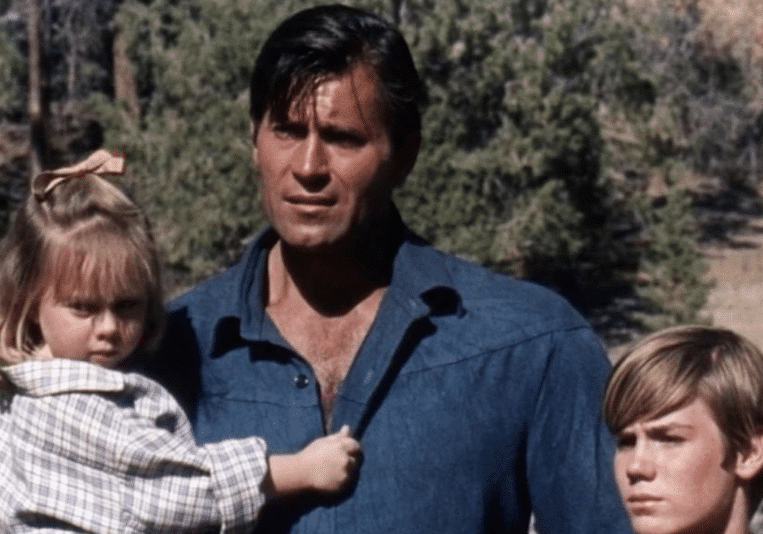
Walker brought that balance to Cheyenne. His character had strength, certainly, but he also knew how to listen. He could pause, assess a situation, and give someone a chance to explain.
That restraint helped make Cheyenne Bodie memorable. Viewers saw a capable man who treated responsibility seriously, even when nobody was watching.
Why Cheyenne Bodie Still Connects With Viewers
What makes a fictional hero stay with us for decades?
Sometimes it is a spectacular scene. Often, though, it is a quality we recognize and admire: fairness, patience, or the willingness to help without expecting applause.
Walker’s performance drew on those qualities. His imposing appearance established authority immediately, allowing him to communicate with a glance or a few carefully delivered words.
For viewers returning to Cheyenne, that approach can feel wonderfully familiar. The character gives a scene room to breathe, and Walker makes the quieter moments count.
From Hartford, Illinois, to a Hollywood Career
Walker’s beginnings were far removed from the polished image of a television leading man. Born in Hartford, Illinois, in May 1927, he worked various jobs before finding his way into acting.
He also served in the Merchant Marine during World War II. His early experiences placed him in working environments where reliability mattered and effort had practical consequences.
That background adds an appealing dimension to his Hollywood story. Before audiences knew him as a frontier hero, he had already experienced the routines and demands of ordinary working life.
His rise offers the kind of success story many Americans appreciate: a person starts with limited advantages, keeps moving forward, and eventually finds an opportunity suited to his abilities.
The Working Background Behind His Screen Presence
We cannot reduce an actor’s performance to a résumé. Still, Walker’s practical background provides useful context for the grounded quality audiences noticed in him.
He looked comfortable portraying men who traveled, worked, and handled difficult circumstances. His physical presence helped, but so did his unhurried manner.
Nothing about that appeal required constant display. Like a sturdy porch post, he could anchor the scene simply by being there.
That dependable quality became central to his image and helped distinguish him within a crowded field of Western performers.
Beyond Cheyenne: Clint Walker’s Memorable Film Roles
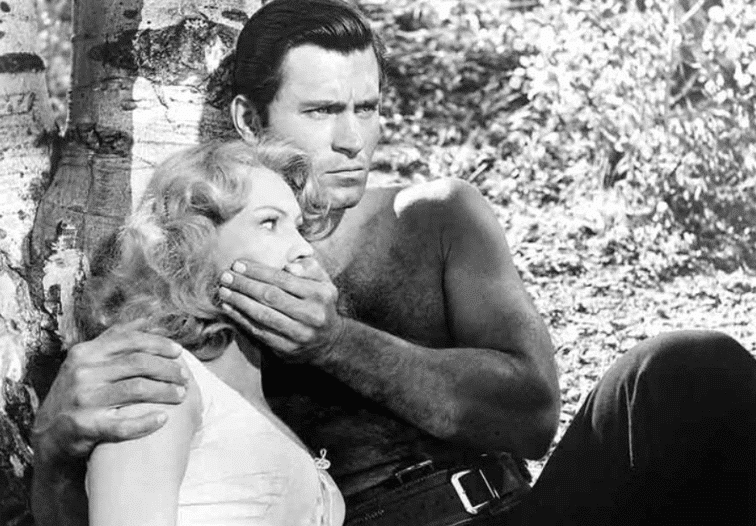
Although Cheyenne remains closely associated with Walker, his career also included feature films that gave audiences more opportunities to appreciate his talents.
Fort Dobbs and The Night of the Grizzly belong among the titles remembered by fans exploring his work beyond television.
These films matter because a familiar actor can reveal different shades of his screen personality in a longer story. Viewers have more time to observe reactions, relationships, and the choices a character makes.
For someone who first encountered Walker through weekly television, watching his films can feel like finding another chapter in a favorite book. The presence is familiar, while the setting offers something fresh.
A Western Leading Man With Quiet Confidence
Walker understood the value of stillness on screen. His size naturally attracted attention, and his controlled delivery gave that attention somewhere to settle.
A performer does not always need a lengthy speech to establish conviction. Sometimes a steady expression communicates enough.
That quality suited the Western genre, where a character’s credibility often depended on whether audiences believed he would follow through on his promises.
Walker made that belief come easily. His performances offered strength with an approachable warmth that kept his characters from feeling distant.
Vintage Family Photographs Reveal a More Personal Side
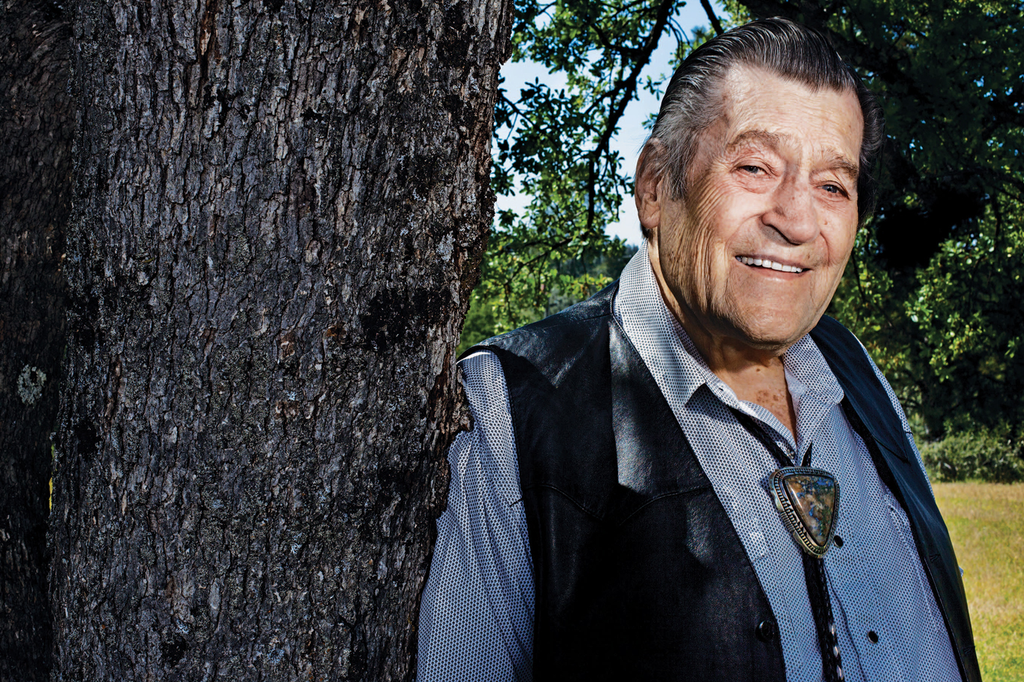
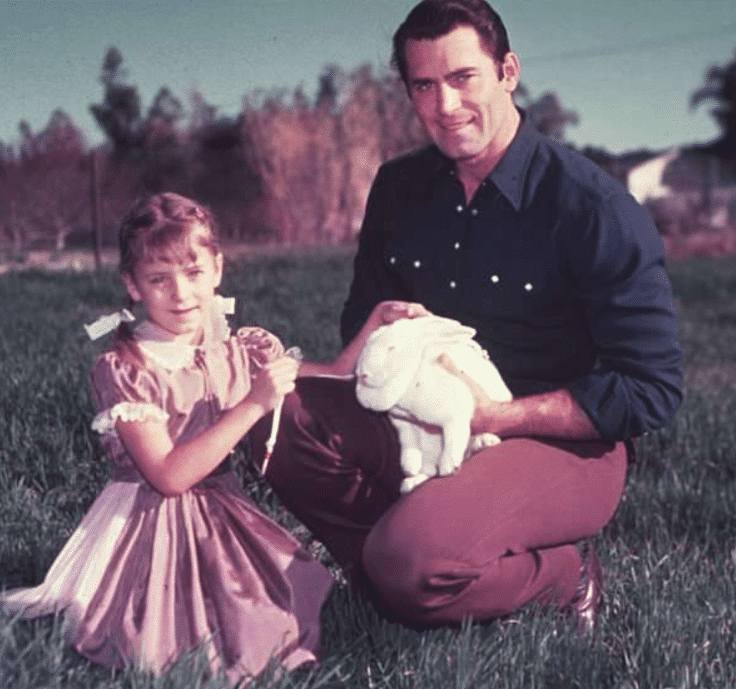
Archival photographs offer another way to remember Clint Walker. Away from costumes and carefully constructed scenes, family images show a familiar star participating in ordinary, affectionate moments.
Photographs featuring his daughter, Valerie, are especially meaningful to admirers interested in his life beyond acting. Valerie was born during his first marriage to Verna Garver.
Such images invite a gentler kind of curiosity. We recognize the famous face, then notice the relationship within the photograph.
For readers who cherish their own family albums, that feeling needs little explanation. A picture can preserve closeness without telling us everything about the people in it.
What a Family Photograph Can—and Cannot—Tell Us
A photograph captures a moment. It does not provide a complete account of a marriage, a household, or someone’s private feelings.
That distinction matters when vintage celebrity images circulate online. An appealing caption may encourage assumptions that the picture itself cannot support.
The most respectful approach lets the image retain its warmth while keeping the accompanying information accurate.
Remembering Clint Walker Through Documented History
Online celebrity stories sometimes mix established information with unsupported claims. Walker’s personal history deserves the same care we would want applied to our own family stories.
Readers can appreciate his photographs and career without accepting every dramatic headline attached to them.
His documented achievements already provide plenty to explore: his working beginnings, Merchant Marine service, television success, and recognizable film performances.
Those details give us a richer portrait than speculation ever could.
Conclusion: The Lasting Appeal of Clint Walker
Clint Walker remains memorable because his screen presence combined remarkable stature with an accessible, reassuring manner. Cheyenne introduced that combination to countless households, while his films extended its appeal.
His early working life and surviving family photographs add context to the actor audiences remember.
Returning to his work offers a chance to revisit familiar stories and appreciate the quiet confidence that made him such a distinctive part of classic American television.