For generations of American viewers, Mary Tyler Moore represented warmth, intelligence, independence, and impeccable comic timing.
She could turn a worried glance into a laugh on The Dick Van Dyke Show. A decade later, one joyful toss of a winter hat in downtown Minneapolis came to symbolize an entirely new kind of possibility for women on television.
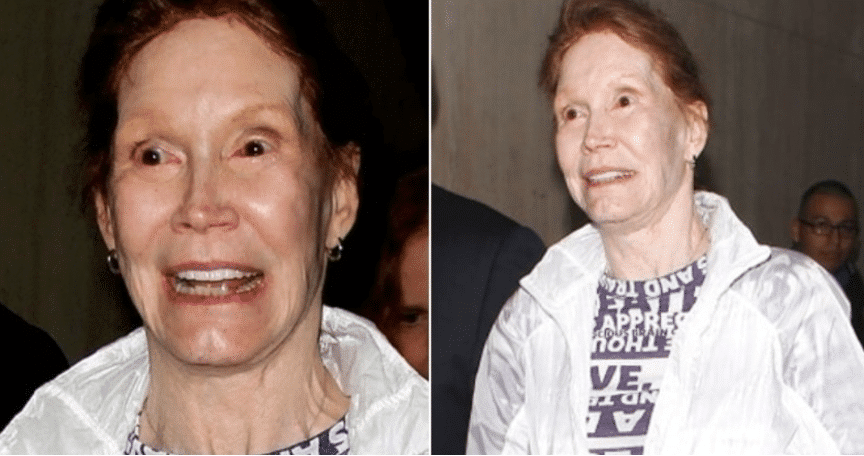
That is why candid photographs of Moore at Los Angeles International Airport in 2013 inspired such an emotional response.
The television legend was 76 when she was photographed moving through the busy terminal with assistance. She had undergone surgery two years earlier to remove a benign brain tumor and had faced other health challenges throughout her later years.
The pictures captured a quiet, unguarded moment far removed from her familiar television sets. Yet they also encouraged fans to look beyond one airport appearance and remember the remarkable career that had unfolded across more than five decades.
The Airport Photographs Belong to 2013
Although the LAX images have recently returned to entertainment websites, they were not taken in 2026.
They show Moore in 2013, when she was 76. That date is important because old photographs can easily be mistaken for new sightings when they circulate beneath a fresh headline.
Moore appeared to need help navigating the crowded terminal. Airports can be exhausting even for healthy travelers, especially when long corridors, security procedures, baggage, and large crowds are involved.
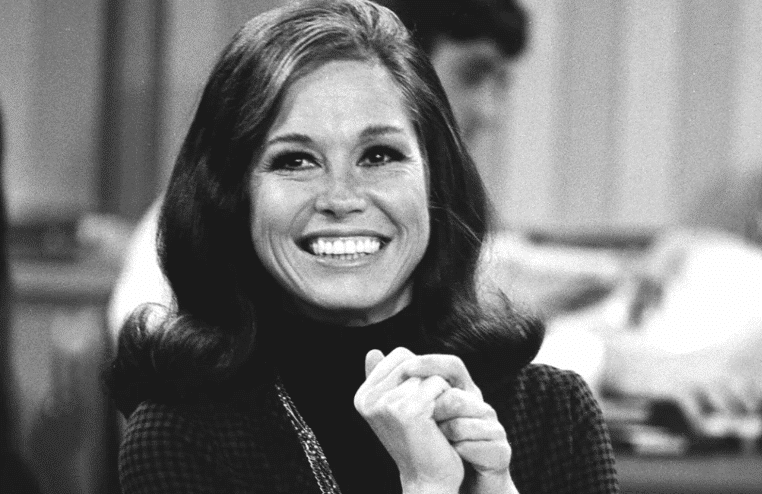
Rather than using the photographs to speculate about private medical matters, it is more respectful to see them as a record of one public moment during her later years.
A candid image can capture how someone looked for a few seconds. It cannot summarize a lifetime of achievement, creativity, advocacy, and influence.
For Moore, that larger story permanently changed American television.
Her Career Began With Dance and Commercial Work
Mary Tyler Moore was born in Brooklyn, New York, in 1936 before moving with her family to California.
She initially dreamed of becoming a dancer. That training gave her the physical grace and precise timing that later became important parts of her comedy.
One of her earliest professional opportunities came when she portrayed “Happy Hotpoint,” a small dancing character used in appliance commercials during television broadcasts of The Adventures of Ozzie and Harriet.
Moore also appeared in television programs and commercials before securing the role that transformed her career.
Like many performers of her generation, she spent years accepting small assignments, attending auditions, and gradually learning how television production worked.
Success did not arrive immediately. It grew through persistence and preparation.
Laura Petrie Made Her a National Favorite
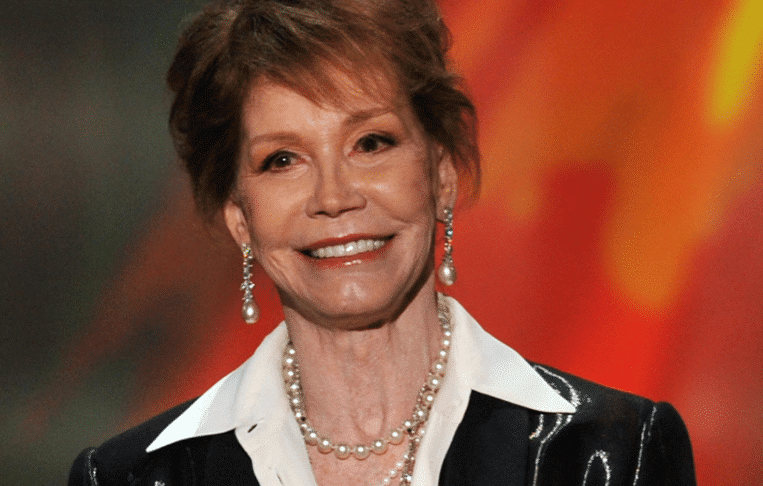
In 1961, Moore joined The Dick Van Dyke Show as Laura Petrie, the wife of comedy writer Rob Petrie.
The casting proved inspired.
Dick Van Dyke brought extraordinary physical comedy and warmth to Rob, while Moore gave Laura wit, personality, and an energy that made their television marriage feel genuine.
Laura Petrie was stylish without appearing distant. She could be affectionate, frustrated, playful, or determined, often within the same episode.
Moore’s famous capri pants also became an important part of the character’s cultural impact. At a time when television wives were frequently shown in dresses and pearls, Laura’s wardrobe felt youthful and modern.
She looked like someone who might truly be caring for a young child, organizing a home, and sharing jokes with her husband rather than posing inside a carefully preserved living room.
Her Chemistry With Dick Van Dyke Felt Effortless
Rob and Laura Petrie became one of classic television’s most beloved married couples.
Their scenes possessed a musical rhythm. Van Dyke might begin with an elaborate story or physical mishap, while Moore responded with perfect timing and an expressive look.
The affection between the characters made the comedy work.
Viewers believed that Rob and Laura genuinely enjoyed each other’s company, even when they disagreed. That warmth separated their relationship from sitcom marriages built mainly around complaints and misunderstandings.
Moore earned Emmy Awards for her performance and established herself as much more than a supporting player.
By the time the series concluded in 1966, she had become one of television’s brightest stars.
Mary Richards Changed the Image of Women on Television
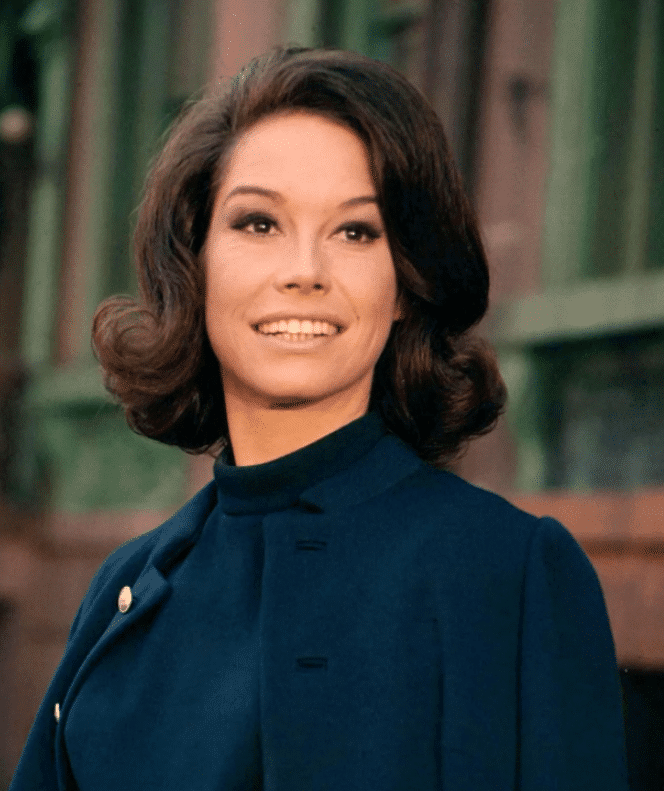
Moore’s greatest cultural influence arrived in 1970 with The Mary Tyler Moore Show.
She portrayed Mary Richards, a single woman in her thirties who moved to Minneapolis and began working as an associate producer at television station WJM.
The premise seems ordinary today. At the time, it was quietly revolutionary.
Mary was not defined primarily as someone’s wife, girlfriend, or mother. Her career, friendships, apartment, mistakes, and ambitions formed the center of the story.
She was independent without being presented as lonely. She wanted a meaningful professional life while still valuing romance, friendship, and community.
The show did not turn her independence into a lecture. It allowed audiences to discover Mary Richards as a complete person through intelligent stories and memorable comedy.
The WJM Newsroom Became a Television Family
Much of the series unfolded inside the fictional WJM newsroom.
Ed Asner played the gruff but deeply caring Lou Grant. Gavin MacLeod appeared as witty news writer Murray Slaughter, while Ted Knight created unforgettable comedy as the overly confident anchorman Ted Baxter.
Valerie Harper’s Rhoda Morgenstern became Mary’s best friend and one of television’s most popular supporting characters. Cloris Leachman added another distinctive presence as Phyllis Lindstrom.
Together, the performers created an ensemble that felt less like a collection of sitcom characters and more like an unusual extended family.
The comedy came from personality rather than elaborate gimmicks. A staff meeting, dinner party, or awkward conversation could become hilarious because viewers understood every character so well.
The series also trusted audiences to appreciate emotional complexity. Episodes could be funny while acknowledging disappointment, workplace pressure, changing relationships, and the uncertainty of adult life.
MTM Enterprises Helped Create a New Television Standard
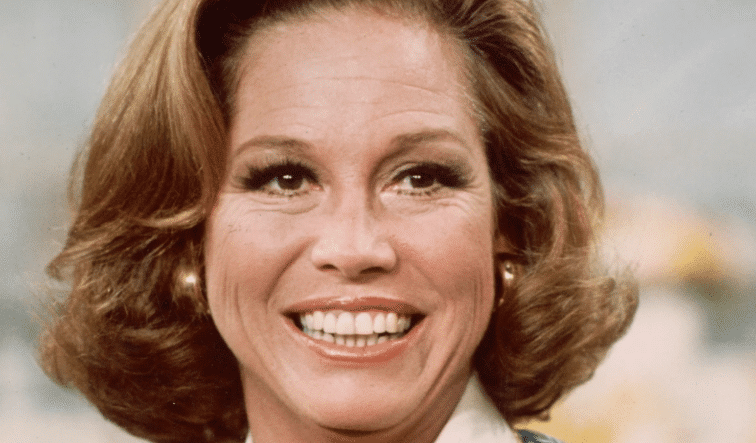
Moore’s impact extended far beyond acting.
She and her then-husband, television executive Grant Tinker, co-founded MTM Enterprises. The company initially produced The Mary Tyler Moore Show, but its influence soon expanded across American television.
Its productions included The Bob Newhart Show, Rhoda, Lou Grant, Hill Street Blues, St. Elsewhere, and Remington Steele.
These programs were known for strong writing, memorable ensembles, and respect for their audiences.
The company logo affectionately parodied MGM’s roaring lion by featuring a small kitten whose gentle meow became familiar to millions of viewers.
MTM Enterprises helped prove that sophisticated, character-driven television could also achieve broad popularity. Its influence can still be felt in workplace comedies, ensemble dramas, and programs centered on independent professional women.
Ordinary People Revealed Her Dramatic Range
Audiences who associated Moore primarily with comedy saw an entirely different side of her in Robert Redford’s 1980 film Ordinary People.
She played Beth Jarrett, an emotionally guarded mother inside a family struggling with profound grief and disconnection.
The performance was controlled, uncomfortable, and remarkably far removed from Laura Petrie or Mary Richards.
Moore resisted the temptation to make Beth easily sympathetic. Instead, she portrayed a woman unable to respond to family pain in the way those around her desperately needed.
Her work earned a Golden Globe and an Academy Award nomination for Best Actress.
The role confirmed what attentive viewers had always understood: Moore’s comedy succeeded because she was a serious actor with exceptional control over emotion, timing, and character.
Her Career Reached Film, Broadway, and Television Drama
Moore’s work extended across nearly every major form of American entertainment.
She appeared with Julie Andrews in Thoroughly Modern Millie and starred opposite Elvis Presley in Change of Habit. She later performed in movies including Just Between Friends and Flirting with Disaster.
On Broadway, she earned acclaim for Whose Life Is It Anyway?, receiving a special Tony Award for her performance.
She continued accepting dramatic and comedic television roles while occasionally returning to the familiar characters audiences loved.
Her career ultimately brought her seven Emmy Awards and induction into the Television Academy Hall of Fame.
Those honors reflected more than popularity. They recognized a performer whose work had raised expectations for television acting and production.
Conclusion: The Woman Who Helped Television Grow Up
The beloved television star photographed at LAX was Mary Tyler Moore.
The images were taken in 2013, during a quieter chapter of her life. They should be understood within their original timeline rather than presented as a recent appearance.
More importantly, they should never overshadow the extraordinary story that came before them.
Moore transformed the role of the television wife through Laura Petrie, then redefined the independent career woman through Mary Richards. She helped build one of the most influential production companies in television history and demonstrated remarkable dramatic range in Ordinary People.
She also used her fame to advance diabetes research and encourage families facing the condition.
For viewers who remember Saturday nights with the WJM newsroom or weekday evenings in the Petrie living room, her work still feels wonderfully familiar.
The years may have changed the face seen at the airport, but they never diminished the joy, intelligence, and possibility Mary Tyler Moore brought into America’s living rooms