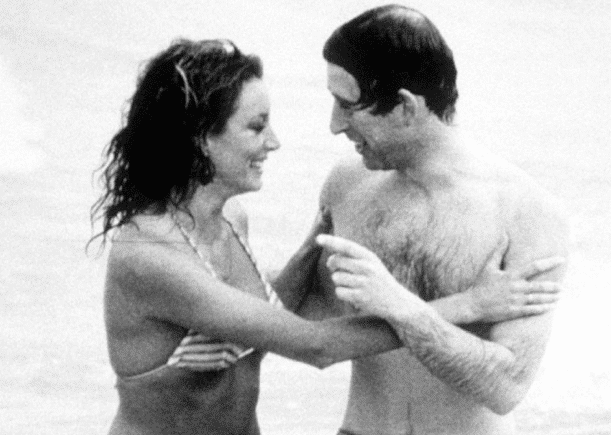
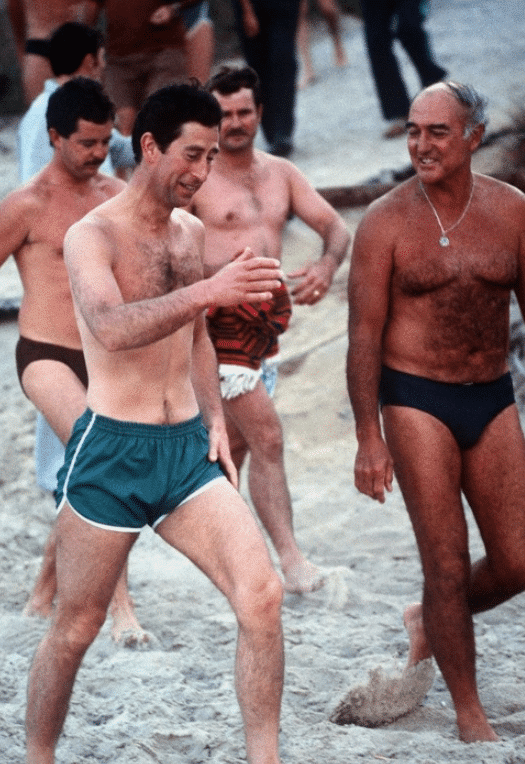
Wearing green athletic shorts and walking barefoot across the sand, the young man in these photographs appears to be an ordinary traveler enjoying the Australian sunshine.
There is no military uniform, ceremonial robe, tailored suit, or visible sign of royal formality.
The man is Charles, then Prince of Wales and now King Charles III.
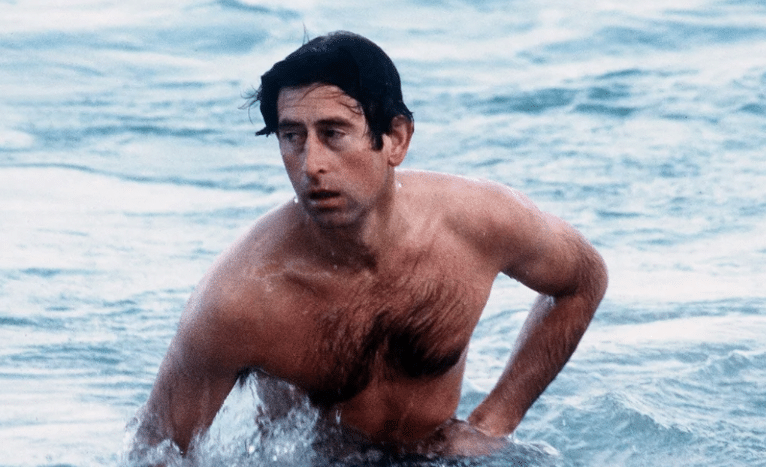
The photographs were taken at Cottesloe Beach near Perth during his celebrated 1983 tour of Australia and New Zealand with Princess Diana. At 34, Charles was already accustomed to public duties, formal receptions, and constant press attention.
Yet these images captured something considerably simpler: a future monarch enjoying a brief moment beside the Indian Ocean.
A Royal Tour That Captured Worldwide Attention
Charles and Diana arrived in Australia in March 1983 as part of an extensive tour that also included New Zealand.
They had married less than two years earlier, and public curiosity surrounding the young couple was extraordinary. Diana’s fashion choices appeared in newspapers around the world, while enormous crowds gathered wherever the pair traveled.
The tour involved formal dinners, public walkabouts, civic ceremonies, speeches, charity visits, and meetings with national leaders.
Such journeys may appear glamorous from a distance, but their schedules are demanding. Royal visitors can attend several engagements in a single day, each requiring preparation, punctuality, and sustained public attention.
Charles and Diana were expected to represent the monarchy while adapting to a level of interest that surprised even experienced royal observers.
Nine-Month-Old Prince William Joined the Journey
The couple’s infant son, Prince William, also traveled to Australia and New Zealand.
Bringing such a young child on a major royal tour represented a notable departure from earlier custom. Diana reportedly wanted to avoid being separated from her baby for the full length of the trip.
William stayed at Woomargama Station in New South Wales with his nanny while his parents completed nearby engagements. Charles and Diana returned between appearances whenever their schedule allowed.
The arrangement offered the public a more modern picture of royal parenthood.
Rather than treating family and public duty as entirely separate worlds, the couple attempted to carry both responsibilities across the globe.
Cottesloe Beach Offered a Break From Ceremony
By April 1983, the tour had reached Western Australia.
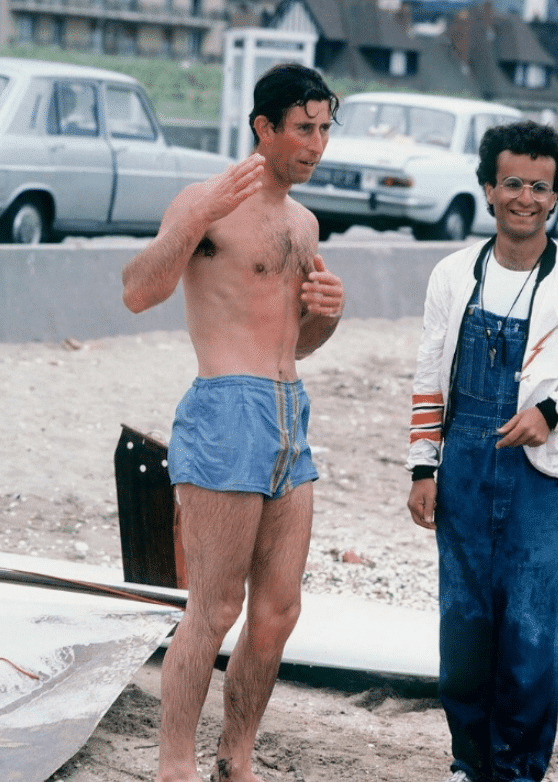
Cottesloe Beach, located near Perth, is known for pale sand, clear water, and a relaxed coastal atmosphere. It provided a striking contrast with the formal halls and carefully arranged receiving lines that filled much of the royal itinerary.
Charles arrived in simple green shorts, leaving his shoes behind as he walked across the sand.
Ordinary beachgoers remained visible nearby. People swam, rested in the sun, and watched the unusual scene unfold.
The photographs feel almost surreal today. A future king stands among vacationers with little visual separation between royalty and everyone else.
Why the Simplicity Makes the Images Memorable
Royal photography generally emphasizes symbols of office: uniforms, medals, carriages, balconies, official residences, and historic architecture.
A beach removes nearly all of those signals.
On the sand, clothing becomes practical, shoes become optional, and formal posture relaxes. Without the expected visual clues, even a world-famous prince can appear surprisingly unfamiliar.
That is why the photographs invite a second look. Charles is not “unrecognizable.” He is simply shown outside the setting in which the public usually encountered him.
Australia in 1983 Felt Both Familiar and Far Away
The images also preserve a distinctive period in Australian life.
In 1983, international news traveled more slowly. Newspapers, radio, and scheduled television broadcasts remained the primary sources of information. Families did not receive continuous updates through mobile phones or social platforms.
A royal visit became a shared national event.
People waited along streets for hours, carried small flags, and watched nightly news reports to see the latest stop. Photographs from Perth might not reach American or British readers until the following day.
Beach culture, meanwhile, remained central to Australia’s international image. The relaxed clothing and open shoreline offered an appealing contrast to the ceremony surrounding royal life.
At Cottesloe, those two worlds briefly occupied the same stretch of sand.
A Young Prince With Decades of Preparation Ahead
Charles was born at Buckingham Palace on November 14, 1948, as the first child of Princess Elizabeth and Prince Philip.
When his mother became Queen Elizabeth II in 1952, he became heir to the throne at only three years old.
His upbringing prepared him for responsibilities unlike those facing most children. Public expectations followed his education, friendships, hobbies, and eventual career choices.
He attended school rather than receiving all his lessons from private tutors, later studying at the University of Cambridge. He also completed military training and served in the Royal Navy.
By the time of the 1983 tour, Charles had spent decades learning how to represent the Crown. Even so, he would remain heir for many more years than anyone could have predicted.
Diana Became the Center of the Tour’s Popularity
Although these photographs focus on Charles, the 1983 journey is often remembered for Diana’s extraordinary reception.
She was 21 when the tour began and still relatively new to royal life. Crowds responded enthusiastically to her warmth, clothing, and willingness to interact closely with members of the public.
The intensity of the attention occasionally shifted focus away from Charles. That dynamic would become an important part of their shared public story.
Yet contemporary photographs also show them smiling, speaking with crowds, and learning how to manage the enormous expectations placed upon them as a couple.
The tour helped establish Diana as a global figure while giving Commonwealth audiences a closer look at a younger generation of the royal family.
From Prince of Wales to King Charles III
Charles remained Prince of Wales for most of his adult life.
During those decades, he carried out thousands of engagements, founded charitable initiatives, supported environmental projects, and prepared for a role that could begin only after the conclusion of his mother’s historic reign.
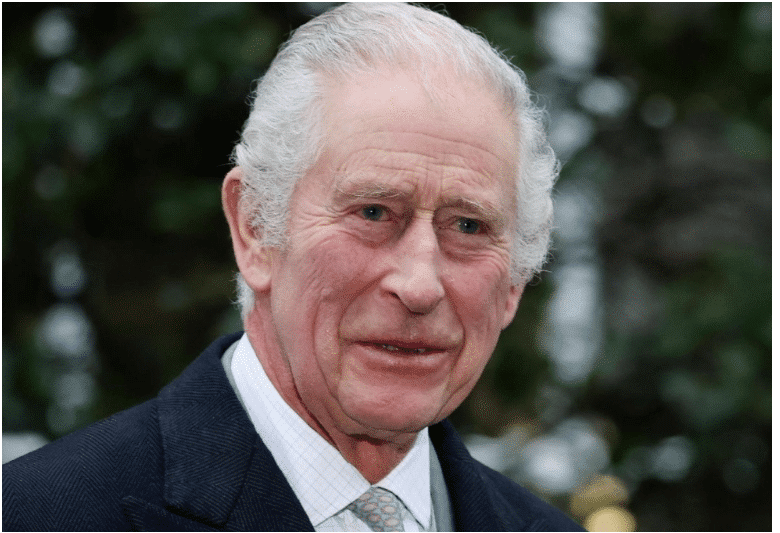
He became King Charles III in September 2022.
The formal images associated with his kingship—state ceremonies, official portraits, military uniforms, and the Coronation—are far removed from the barefoot figure photographed in Perth.
That contrast gives the 1983 pictures their emotional power.
They allow viewers to look backward from the present and see a man whose future role was already determined, even though much of his life still lay ahead.
A Quiet Moment Before History Moved Forward
The Cottesloe Beach photographs should not be treated as evidence that Charles looked strange or impossible to identify.
They show him without the familiar visual language of monarchy.
He was a 34-year-old father, husband, and heir walking beside the ocean during a demanding international tour. The green shorts and bare feet make the moment feel approachable, but the responsibilities waiting beyond the beach remained enormous.
Four decades later, the young prince in these images is King Charles III.
The shoreline has changed, the monarchy has changed, and the world now receives royal news within seconds. Yet the photographs continue to offer the same gentle reminder: even lives shaped by tradition and public duty contain small moments when the shoes come off, the ceremony pauses, and the sea breeze briefly becomes the only thing that matters.