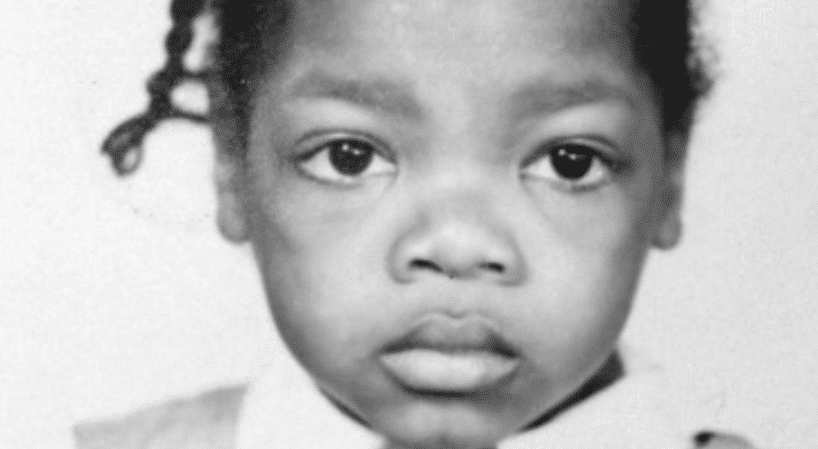
The little girl in these photographs grew up without indoor plumbing, wore clothing made from feed sacks, and learned to read before she entered school.
Her mother was still a teenager when she was born. During her earliest years, she lived with a strict grandmother on a small farm in rural Mississippi. Books, church, and public speaking became her first windows into a larger world.
That child was Oprah Winfrey.
She would eventually become a television host, actress, producer, business leader, philanthropist, and one of the most influential communicators of the modern era.
Her journey is often summarized as a simple rise from poverty to prosperity. The complete story is more complicated. It includes instability, abuse, educational opportunity, supportive mentors, professional setbacks, smart ownership decisions, and an exceptional ability to make people feel heard.
A Childhood in Rural Mississippi
Oprah Gail Winfrey was born on January 29, 1954, in Kosciusko, Mississippi.
Her name was written as Orpah on her birth certificate, after a biblical figure from the Book of Ruth. People frequently reversed the middle letters when pronouncing it, and “Oprah” became the name the world would know.
Her mother, Vernita Lee, was 18 when Oprah arrived. Her father, Vernon Winfrey, was serving in the military and later worked as a barber, businessman, and local public official.
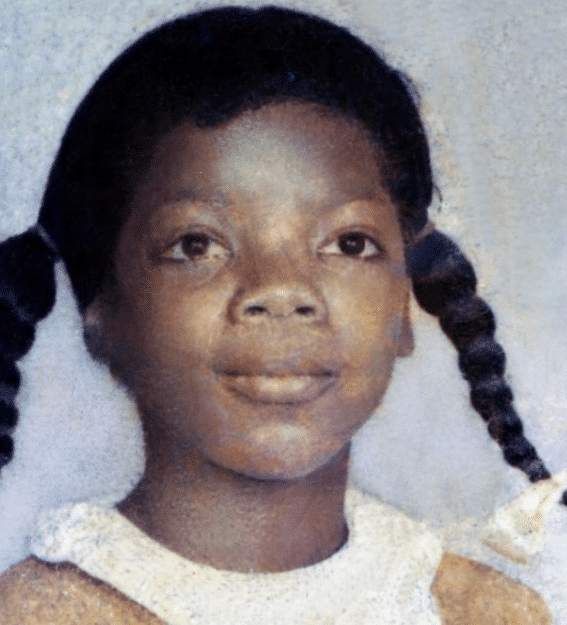
Because her young mother moved north to seek work, Oprah spent her earliest years with her maternal grandmother, Hattie Mae Lee.
Life on the farm was financially difficult. The family had few material comforts, and her grandmother reportedly made some of Oprah’s clothing from feed sacks.
Yet Hattie Mae also gave the child an invaluable gift: literacy.
Oprah learned to read at an unusually young age. She memorized passages from the Bible and recited them in church, earning the affectionate nickname “the Preacher.”
Speaking before a congregation taught her how words could hold a room’s attention.
Strict Discipline Shaped Her Early Years
Oprah has described her grandmother’s household as highly disciplined. Expectations were clear, and punishment could be severe by modern standards.
Her grandfather’s declining mental health also contributed to an atmosphere that sometimes felt frightening and unpredictable.
It is important not to romanticize hardship as though suffering automatically produces achievement. Poverty and instability can create lifelong burdens. Oprah’s later accomplishments do not mean that every difficult experience was somehow necessary.
What helped her move forward were the resources she found within and around those circumstances: reading, education, communication, faith, teachers, and eventually a more structured home.
Those supports offered possible routes beyond the limited future society appeared to have prepared for her.
Milwaukee Brought New Challenges
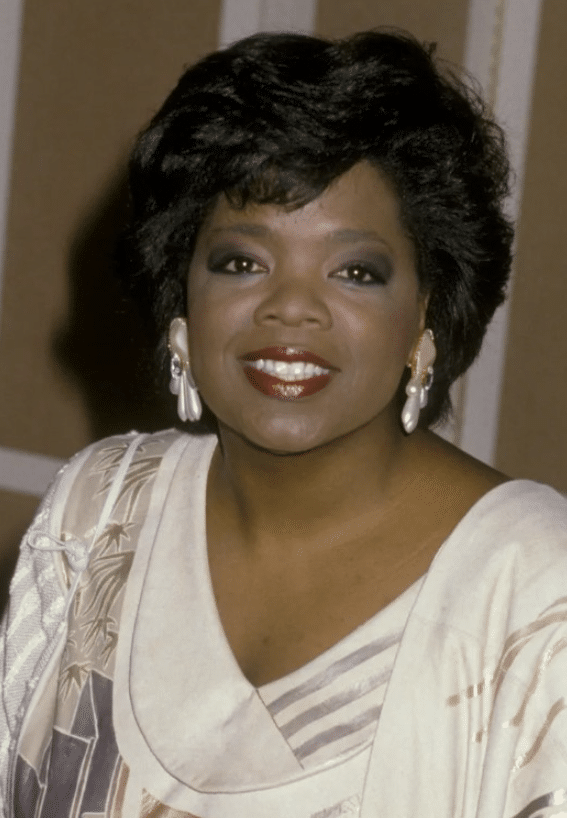
When Oprah was six, she moved to Milwaukee to live with her mother.
Vernita worked long hours as a domestic employee while raising children with limited financial resources. The family lived in an urban neighborhood very different from the Mississippi farm.
Oprah later spoke publicly about abuse she experienced during childhood. Such experiences should be discussed without graphic detail or sensationalism. They belong to a serious history of trauma that no child should have to carry.
Her adolescence became increasingly unsettled. Eventually, she went to Nashville to live with her father.
Vernon placed strong emphasis on education. He required her to read books, learn vocabulary, and complete regular writing assignments. His standards were demanding, but the household provided greater structure.
The change did not erase what had happened earlier. It gave Oprah a more stable environment in which her academic and speaking abilities could grow.
Education Became a Practical Path Forward
At school, Oprah joined speech activities and demonstrated exceptional skill in public communication.
She earned a scholarship to Tennessee State University, where she studied communications. That opportunity mattered because college might otherwise have remained financially out of reach.
While still a teenager, she began working at Nashville radio station WVOL.
Radio taught her how to use voice alone to create connection. Without facial expressions or visual production, every emotion had to travel through tone, timing, and carefully chosen words.
Those skills became central to her later television style.
Television News Was Not an Easy Fit
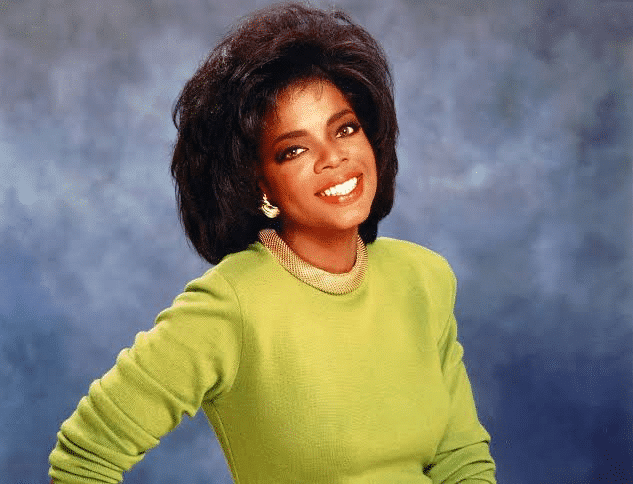
Oprah entered television news in Nashville, becoming one of the city’s youngest news anchors and its first Black woman in that kind of role.
The achievement was historic, but traditional news delivery did not always suit her personality.
She became emotionally involved in stories and responded openly to the people she interviewed. Conventional broadcasting emphasized distance and composure. Oprah’s natural instinct was to connect.
After moving to a Baltimore television station in 1976, she struggled in the evening-news format and was eventually removed from the anchor desk.
At the time, that change could have appeared to be a professional failure.
Instead, she was moved into daytime television and began co-hosting a local talk program called People Are Talking. In that setting, the very qualities considered weaknesses in news—curiosity, warmth, emotional openness, and spontaneity—became extraordinary strengths.
The Setback That Revealed Her Real Talent
Career advice often encourages people to repair every perceived weakness. Oprah’s experience offers another possibility.
Sometimes the problem is not a lack of ability. It is a mismatch between the person and the position.
Behind a news desk, her empathy disrupted the expected format. In a conversational program, empathy became the format.
She had found work that fit the way she naturally communicated.
“AM Chicago” Changed Everything
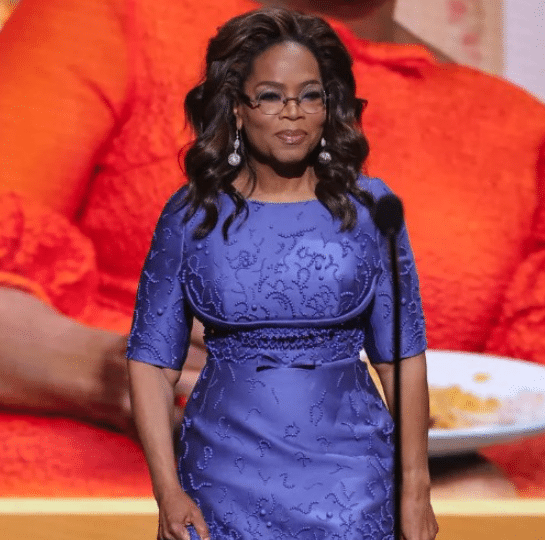
In 1984, Oprah moved to Chicago to host a struggling morning program called AM Chicago.
The show had weak ratings and faced strong local competition. Within months, Oprah’s conversational approach lifted it to the top of the Chicago market.
She did not speak down to viewers or hide behind a distant television persona. She laughed openly, acknowledged her own experiences, and listened closely to guests.
The program expanded to an hour and was renamed The Oprah Winfrey Show. On September 8, 1986, it entered national syndication.
Forty years later, in 2026, that premiere remains a landmark in television history.
Ownership Made Her More Than a Host
Oprah’s greatest business decision may have been negotiating control over her program.
She formed Harpo Productions—its name is Oprah spelled backward—and brought production of the show under her own company.
That arrangement allowed her to participate in ownership rather than receiving only a host’s salary. She gained greater authority over content, production, and long-term business strategy.
Harpo Studios became a major employer in Chicago and helped transform the city’s West Loop neighborhood.
At its height, The Oprah Winfrey Show reached millions of viewers each day and aired internationally. The program continued for 25 seasons before concluding in 2011.
Oprah had not merely become famous. She had built a media enterprise.
A Talk Show That Evolved With Its Host

The early program included many elements common to daytime television, including celebrity interviews, personal conflicts, and popular culture.
Over time, Oprah moved toward subjects she considered more meaningful. Episodes explored literature, education, relationships, trauma, health, spirituality, and social problems.
Her interviews often gave guests room to explain experiences in their own language. That approach could create deeply memorable television.
The program was not beyond criticism, and some guests promoted claims that later attracted serious questions. A responsible assessment of its legacy should acknowledge both its enormous cultural reach and the importance of evaluating health or scientific information through qualified experts.
At its best, the show encouraged viewers to examine their choices, listen to unfamiliar experiences, and believe personal change was possible.
Hollywood Recognized Her Dramatic Ability
Oprah’s career was not limited to hosting.
She portrayed Sofia in Steven Spielberg’s 1985 film The Color Purple. Her powerful performance earned Academy Award and Golden Globe nominations.
The role required her to communicate strength, pain, anger, and dignity within a demanding historical drama. It proved that the emotional honesty viewers saw on television could also support serious acting.
She later produced film and television projects through Harpo, helping bring stories by Black writers and about Black families to wider audiences.
Her work as a producer expanded the meaning of her influence. She could help determine which stories were financed, created, and distributed.
Books, Education, and Philanthropy
Oprah’s Book Club became one of her most influential projects.
A recommendation from the show could introduce millions of viewers to a novel or memoir. Bookstores created dedicated displays, reading groups formed across the country, and older titles sometimes returned to bestseller lists.
Her love of reading traced directly back to the Mississippi childhood in which books offered possibility.
Education also became a central part of her philanthropy. She supported scholarships at Morehouse College and founded the Oprah Winfrey Leadership Academy for Girls in South Africa.
The school opened in 2007 to provide educational opportunities for academically talented girls facing economic hardship. Oprah has remained closely connected with its students and graduates.
Oprah Winfrey at 72
At 72 in 2026, Oprah continues to conduct interviews, produce projects, discuss books, and explore conversations about personal growth.
Her public influence has changed since the daily talk show ended, but it has not disappeared. She now works across television, streaming, publishing, podcasts, and special events.
The little girl taught to read by her grandmother eventually built a career based on stories.
She listened to them, told them, published them, performed them, and created spaces where other people could share them.
Oprah’s journey should not be reduced to the idea that determination alone can overcome every barrier. Her success involved talent and persistence, but also education, mentors, opportunity, and strategic control of her work.
That fuller story carries a stronger message. A difficult beginning does not determine the ending—but people thrive most when ability is met with support, access, and someone willing to recognize what they can become.