
Long before she became television’s most famous fictional news anchor, this poised young woman moved easily through the worlds of fashion, classic cinema, European filmmaking, and American social drama.
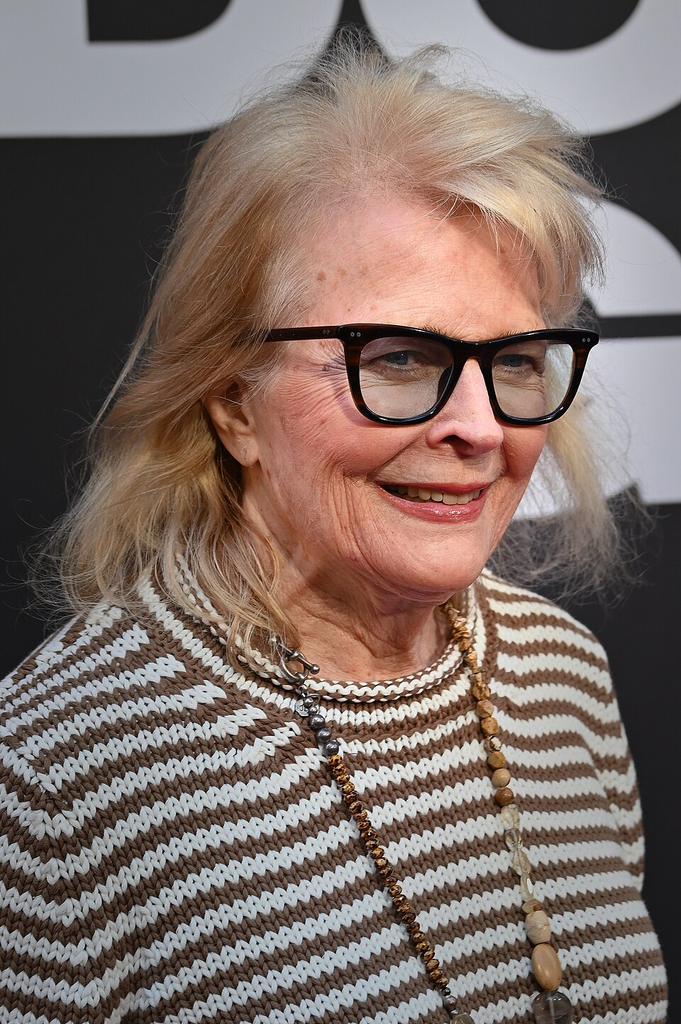
Her name is Candice Bergen.
With her calm voice, intelligent gaze, and wonderfully dry sense of humor, Bergen created a screen presence unlike anyone else’s. Hollywood initially promoted her as a great beauty, but she spent the following decades proving that appearance was only the smallest part of her appeal.
From The Sand Pebbles and Starting Over to Gandhi, Murphy Brown, and Boston Legal, Bergen built a career around women who could think for themselves.
In 2026, she celebrated her 80th birthday—and her influence on American entertainment remains unmistakable.
Growing Up in an Unusual Hollywood Household
Candice Patricia Bergen was born in Beverly Hills, California, on May 9, 1946.
Her father, Edgar Bergen, was one of America’s most celebrated ventriloquists. His wooden character Charlie McCarthy became a radio sensation, despite the amusing fact that radio listeners could not see the performer’s lips.
Candice’s mother, Frances Bergen, was a model and actress known for her elegance and social grace.
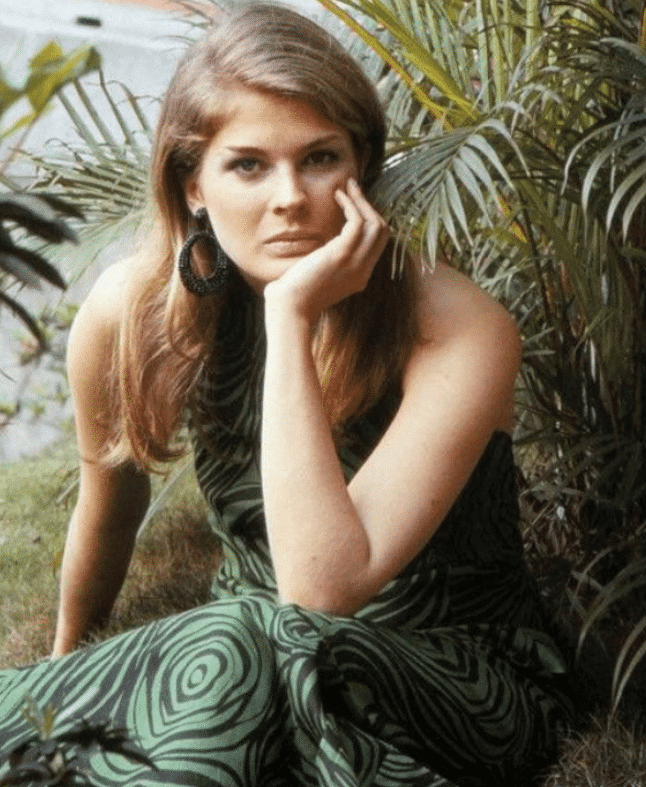
Their home welcomed famous entertainers, filmmakers, and public figures. Young Candice therefore observed show business from unusually close range.
That access did not automatically make childhood simple. Her father’s professional partnership with Charlie McCarthy occupied a central place in the family’s public identity. Candice later wrote honestly about sometimes feeling that the wooden figure received more of her father’s attention.
Those complicated emotions eventually informed her thoughtful memoirs and her ability to portray characters whose polished surfaces concealed vulnerability.
Modeling Introduced Her to the Camera
Before becoming a major actress, Bergen worked as a fashion model.
Her sculpted features and composed manner photographed beautifully. She appeared in prominent magazines and quickly became associated with sophisticated American style.
Yet modeling also carried limitations. The fashion world valued her face, while Bergen wanted opportunities to express personality, intelligence, and emotional complexity.
Acting offered a possible way forward.
Her major screen debut came in The Group, director Sidney Lumet’s 1966 adaptation of Mary McCarthy’s novel. The story followed a group of women after their graduation from Vassar College in the 1930s.
The ensemble format placed Bergen among several promising actresses and introduced her through material centered on women’s ambitions, relationships, and changing social expectations.
“The Sand Pebbles” Brought International Attention
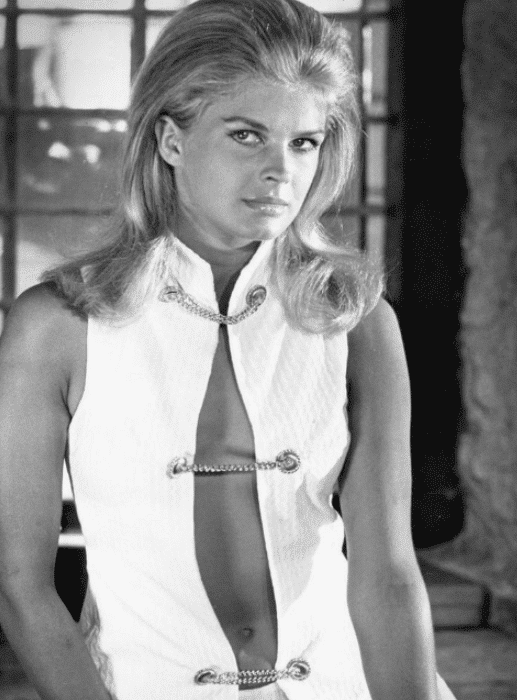
Also in 1966, Bergen appeared opposite Steve McQueen in The Sand Pebbles.
The sweeping historical drama followed an American naval crew stationed in China during the 1920s. Bergen played Shirley Eckert, a missionary whose ideals are tested by the violence and political turmoil surrounding her.
The production became a major motion-picture event and earned multiple Academy Award nominations.
For Bergen, it provided experience within a large-scale drama led by one of the era’s biggest stars. Her understated approach contrasted effectively with the film’s military action and epic setting.
She continued choosing varied projects rather than settling into one simple category. Westerns, dramas, political stories, and European productions followed.
Beauty Was the Beginning, Not the Destination
Early reviews sometimes focused more on Bergen’s appearance than her acting. Hollywood had a long tradition of treating beautiful young women as decoration, even when their characters deserved greater depth.
Bergen kept working and learning.
Instead of trying to force immediate approval, she developed the qualities that would later define her best performances: restraint, intelligence, comic timing, and self-awareness.
Her career demonstrates that artistic growth is not always a sudden transformation. Sometimes it unfolds quietly, role by role.
The 1970s Revealed an Actress Willing to Take Risks
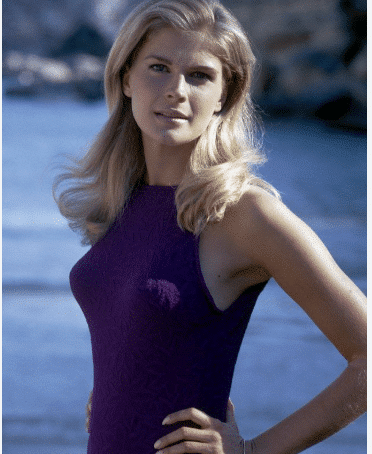
During the 1970s, Bergen appeared in films that reflected a changing American culture.
In Soldier Blue, she joined a Western that challenged traditional heroic narratives. In Carnal Knowledge, she worked with director Mike Nichols and a cast that included Jack Nicholson, Art Garfunkel, and Ann-Margret.
She also starred in adventure films such as The Wind and the Lion and Bite the Bullet.
These projects allowed Bergen to move between prestige drama and large-scale entertainment. Her characters were often observant women navigating worlds controlled by powerful men.
She did not play every role for immediate audience approval. Some characters were distant, complicated, or difficult to understand. That willingness to resist easy likability became increasingly valuable as her career developed.
“Starting Over” Earned Major Critical Recognition
In 1979, Bergen appeared in Starting Over, a romantic comedy-drama directed by Alan J. Pakula.
She played Jessica, an aspiring singer whose marriage to Burt Reynolds’ character has ended. Jill Clayburgh completed the central triangle as a teacher building a new relationship with him.
Bergen used her natural elegance in an unexpectedly funny way. Jessica views herself as a serious musical talent, but her performances do not always create the effect she imagines.
The role allowed Bergen to be glamorous, self-absorbed, vulnerable, and comical within the same picture.
Her work earned an Academy Award nomination for Best Supporting Actress. It marked an important turning point, confirming that her cool screen image could support genuine comedy.
That discovery prepared the way for the role that would define her television career.
Murphy Brown Arrived at Exactly the Right Moment
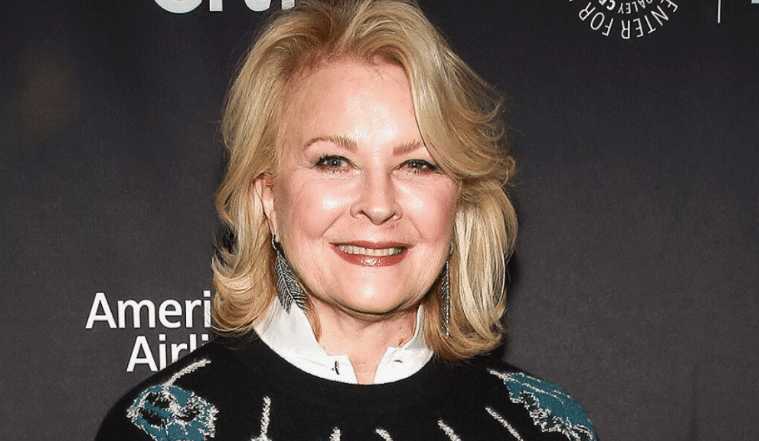
Murphy Brown premiered on CBS in 1988.
Bergen played the title character, an accomplished television journalist returning to work after time away at a recovery center. Murphy was intelligent, ambitious, impatient, opinionated, and frequently hilarious.
She was not written to be endlessly pleasant.
That made her revolutionary.
Earlier television programs had certainly featured career women, but Murphy occupied her professional world with unusual authority. She challenged executives, confronted politicians, and expected colleagues to meet her standards.
At the same time, the series allowed her to make mistakes. She could be stubborn, vain, insensitive, and emotionally guarded. Bergen understood that those imperfections made the character human rather than weakening her.
A Workplace Comedy With Political Intelligence
The fictional newsmagazine FYI gave the series a setting where national politics and media culture could become part of the humor.
Murphy worked alongside anchor Jim Dial, reporter Frank Fontana, and former beauty queen Corky Sherwood. Producer Miles Silverberg attempted to manage the strong personalities around him, while Murphy cycled through an amusing collection of secretaries.
The series did not depend solely on topical jokes. Its workplace relationships gave viewers a reason to return week after week.
Murphy’s friendship with Frank could be competitive and affectionate. Jim represented an older broadcasting tradition. Corky gradually grew from an inexperienced newcomer into a capable professional.
Through them, the show examined how television journalism was changing.
The Storyline That Entered a National Debate
One of the program’s most discussed storylines involved Murphy choosing to raise a child as a single mother.
In 1992, Vice President Dan Quayle criticized the fictional character while speaking about family values. The remarks created an extraordinary moment in which a sitcom became part of a real national political debate.
The show responded within its own story, blending humor with a broader discussion about the many forms American families can take.
Regardless of viewers’ political opinions, the episode demonstrated Murphy Brown’s cultural importance. She was not simply a television character. She had become a symbol through which the country discussed work, motherhood, independence, and social change.
Five Emmy Awards and a Television Legacy
Bergen won five Primetime Emmy Awards for playing Murphy Brown.
After the fifth victory, she declined to submit herself for additional consideration, allowing attention to move toward other performers. It was an unusual gesture in an awards-driven industry.
The original series concluded in 1998 after ten seasons.
Twenty years later, Bergen returned for a 2018 revival. The new episodes placed Murphy in a media environment shaped by cable commentary, online news, and social platforms.
Although the revival lasted only one season, it showed how naturally the character belonged in conversations about journalism and public trust.
A Second Television Triumph With “Boston Legal”
Bergen later joined Boston Legal as Shirley Schmidt, a founding partner at the show’s prestigious law firm.
Shirley was calm, authoritative, and capable of controlling a room without raising her voice. Her history with William Shatner’s eccentric Denny Crane added warmth and comedy to the legal stories.
The role made excellent use of Bergen’s mature screen presence. Shirley did not need to imitate Murphy Brown. She was more measured, strategic, and privately amused by the behavior surrounding her.
Bergen received further Emmy recognition for the performance, demonstrating that her television career was not dependent on one legendary character.
Movies, Memoirs, and a More Relaxed Relationship With Fame
Bergen remained active in film, appearing in popular comedies including Miss Congeniality, Sweet Home Alabama, Book Club, and its sequel.
These later projects allowed her to play accomplished older women with humor and agency. She was not simply present to advise younger characters from the sidelines.
She also wrote candidly about her life in two memoirs. Her books explored her unusual childhood, career, marriages, motherhood, grief, and changing relationship with her appearance.
Bergen’s honesty about aging has been refreshingly free of performance. She has rejected the idea that a woman must spend later life apologizing for physical change or attempting to resemble her younger self.
Candice Bergen at 80: Intelligence Never Goes Out of Style
Candice Bergen entered Hollywood with a face the camera loved. She remained because she developed a voice audiences trusted.
Her career followed an unusual and rewarding path—from fashion photographs and serious 1960s films to adventurous 1970s roles, an Oscar nomination, groundbreaking television, legal comedy, popular movies, and thoughtful writing.
Murphy Brown changed how a leading woman could behave on American television. She could be brilliant without pretending to be modest, ambitious without requiring punishment, and funny without surrendering authority.
At 80, Bergen represents something deeper than classic Hollywood elegance. She embodies the value of growing into one’s abilities.
Beauty first brought her public attention. Intelligence, humor, perseverance, and fearless honesty made that attention last.