
For three television seasons, she lived on a tropical island wearing elegant gowns and perfectly arranged hair—as though an unexpected shipwreck were simply another Hollywood premiere.
Her name was Ginger Grant, the glamorous movie star among the seven stranded castaways of Gilligan’s Island. The actress who made her unforgettable was Tina Louise.
Recent photographs of Louise have inspired curiosity among viewers who remember her from the 1960s. Some online headlines have described her as “unrecognizable,” but that word creates an unfair comparison between a woman in her nineties and carefully styled publicity portraits taken more than six decades earlier.
At 92 in 2026, Louise remains an important part of American television history. Her story includes Broadway, classic cinema, one of television’s most frequently repeated sitcoms, writing, literacy advocacy, and a lifelong effort to be recognized as more than one famous character.
A New York Childhood and an Early Love of Performance
Tina Louise was born Tina Blacker in New York City on February 11, 1934.
She began encountering the world of performance while still young, appearing in an advertisement when she was a small child. As she grew older, she pursued modeling and acting with increasing seriousness.
Louise trained with respected teachers and developed skills that went far beyond posing for a camera. Her striking red hair naturally attracted attention, but she wanted a career based on performance rather than appearance alone.
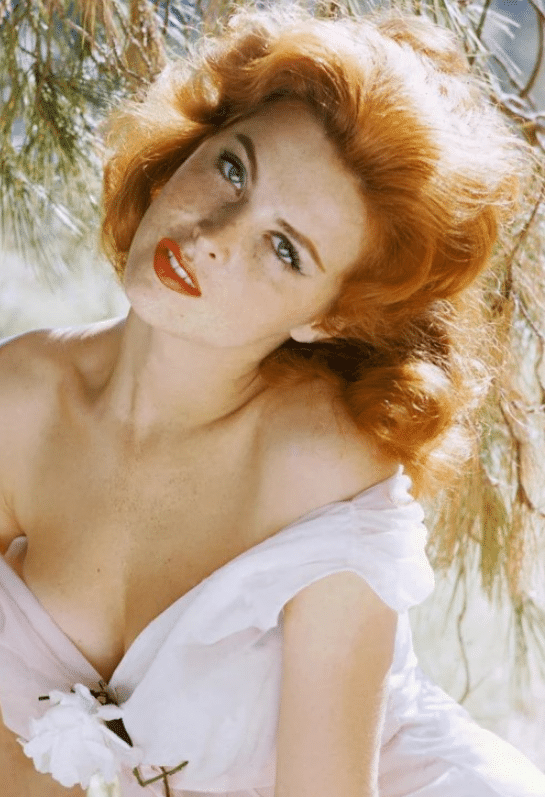
During the early 1950s, she worked onstage and appeared in Broadway productions. Live theater offered demanding preparation. There were no second takes, and performers had to maintain energy and timing throughout every show.
Those experiences helped Louise build the confidence she would later bring to movies and television.
Hollywood Recognition Arrived Before Ginger Grant
Louise’s motion-picture career began strongly with God’s Little Acre in 1958, adapted from Erskine Caldwell’s novel.
Her performance earned her a Golden Globe as a promising new actress. The honor suggested that Hollywood viewed her as more than a fashionable newcomer.
She continued appearing in Westerns and dramas, including The Trap, The Hangman, and Day of the Outlaw. These productions placed her alongside established actors and gave her opportunities to portray characters far removed from light television comedy.
Louise also worked in Europe, expanding her experience through international productions.
By the early 1960s, she had already built a substantial career. Then came a television role that would transform her public identity forever.
“Gilligan’s Island” Introduced Seven Famous Castaways
Gilligan’s Island premiered on CBS in September 1964.
The opening story was wonderfully simple. Seven people departed Hawaii for a three-hour sightseeing tour aboard the S.S. Minnow. A storm pushed the boat far from its planned course, leaving everyone stranded on an unfamiliar island.
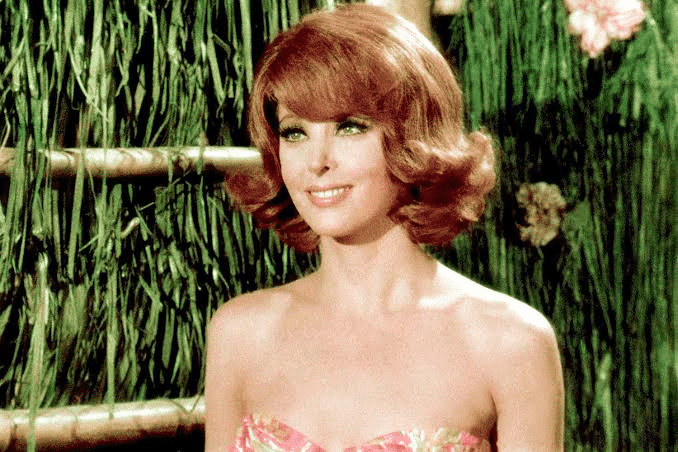
Bob Denver played the well-meaning but accident-prone Gilligan. Alan Hale Jr. was the Skipper, Jim Backus and Natalie Schafer portrayed wealthy couple Thurston and Lovey Howell, Russell Johnson played the Professor, and Dawn Wells appeared as Mary Ann.
Tina Louise completed the group as Ginger Grant, a famous Hollywood actress.
Each castaway represented a recognizable personality. Ginger brought glamour, theatrical knowledge, and confidence to the group. She could recreate a movie scene, impersonate another person, or use her performance skills to support one of the Professor’s elaborate rescue plans.
Ginger Grant Was More Than a Beautiful Wardrobe
Ginger’s elegant dresses became part of the show’s playful fantasy. Viewers were not expected to ask how so many fashionable outfits had survived a short boat tour.
Louise gave the character something more valuable than glamour: humor.
Ginger could be dramatic, practical, flirtatious, frightened, or surprisingly resourceful. Her old Hollywood mannerisms provided an amusing contrast with Mary Ann’s friendly Kansas simplicity.
Popular culture often tried to turn the women into rivals, but the series itself usually showed them cooperating as friends. Ginger and Mary Ann brought different strengths to island life, and both became essential members of the group.
A Sitcom That Became Bigger After Cancellation
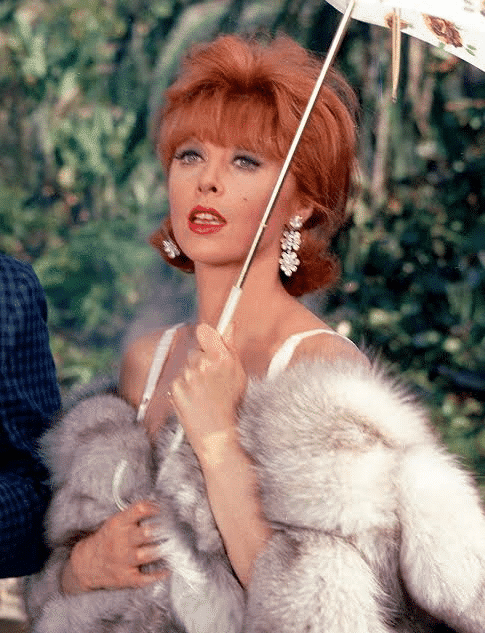
Gilligan’s Island aired for three seasons, ending its original network run in 1967 after 98 episodes.
Its greatest success came afterward.
Local television stations filled afternoon and weekend schedules with reruns. Children discovered the castaways years after the original production had concluded, then shared the program with their own families.
The familiar theme song explained the entire premise before each episode. Viewers knew that rescue attempts would probably fail, Gilligan would cause confusion, and everyone would remain together for another adventure.
That predictability became comforting.
For Americans who grew up during the 1970s, 1980s, or 1990s, Gilligan’s Island may be connected with summer vacation, after-school snacks, and the comforting sound of a television playing in the next room.
Few programs canceled after only three seasons have achieved such lasting recognition.
Tina Louise Built a Varied Career After the Island
Louise continued appearing in movies and television after Gilligan’s Island.
Her film roles included The Wrecking Crew and The Stepford Wives. She also appeared in television programs such as Kojak, CHiPs, Fantasy Island, and Dallas.
These projects allowed her to play women with very different personalities and circumstances. Some roles were dramatic, while others used her established association with glamour.
She also returned to the stage and continued creative work outside acting.
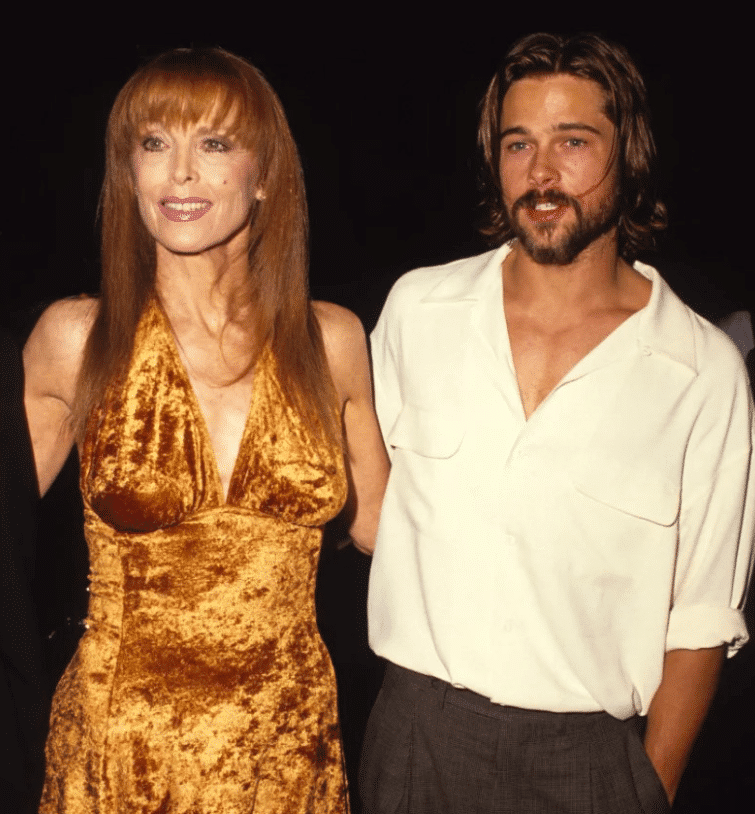
Like many performers connected with an iconic series, Louise never completely escaped Ginger’s shadow. Yet her post-island career demonstrates persistence. She kept working rather than allowing typecasting to determine the entire story.
Writing Offered Another Form of Expression
Louise later expanded her creative life through writing.
She published books for adults and younger readers, showing an interest in language, imagination, and emotional development. Writing gave her an opportunity to communicate without waiting for a producer to select her for a role.
She also supported children’s literacy, an issue that reaches far beyond celebrity culture. Helping young people become confident readers can influence education, employment, and personal independence throughout their lives.
This work revealed another side of a woman the public often viewed only through Ginger Grant’s carefully polished image.
Louise was not frozen in an old sitcom. She continued learning, creating, and choosing how she wanted to participate in the world.
Family Life Beyond the Cameras
Louise was married to television personality Les Crane during the 1960s. Their daughter, Caprice Crane, became a novelist and screenwriter.
Motherhood added another private dimension to a life frequently discussed through photographs and television roles.

Celebrity profiles often describe careers as though personal life happens somewhere offstage and without consequence. In reality, performers make the same complicated choices involving work, family, privacy, and changing priorities as everyone else.
Louise gradually became more selective about public appearances. That lower profile did not mean her cultural influence had vanished. It simply reflected a life no longer organized entirely around Hollywood visibility.
Tina Louise Became the Last Surviving Principal Cast Member
Over the years, fans said farewell to the other principal performers from Gilligan’s Island. Louise is now the sole surviving member of the original group of seven castaways.
That position carries emotional significance for viewers.
When she discusses the program, she represents not only Ginger but also memories of Bob Denver, Alan Hale Jr., Jim Backus, Natalie Schafer, Russell Johnson, and Dawn Wells.
Each performer contributed something essential. Together, they created an ensemble whose chemistry survived changing fashions, new television technology, and generations of viewers.
Louise’s continued presence provides a living connection to that shared history.
Why “Unrecognizable” Is the Wrong Description
Aging is not a disguise.
A casual photograph of Tina Louise in her nineties will naturally differ from a studio portrait created when she was thirty. The older image reflects professional lighting, makeup, hairstyling, costumes, and careful selection. The newer photograph captures another stage of life.
Neither version is more authentic.
Describing an older actress as “unrecognizable” suggests that her identity depended on remaining young. Louise’s identity rests in her work, choices, family, creative interests, and experiences—not in preserving Ginger Grant’s appearance forever.
The years visible in her face are not evidence that she lost the woman she once was. They are evidence that she continued beyond the brief period preserved on film.
A Hollywood Star Whose Story Reaches Beyond the Island
Tina Louise will always be connected with Ginger Grant. The character’s red hair, sparkling gowns, and theatrical voice remain woven into American television history.
But Louise was an award-winning actress before the S.S. Minnow left the harbor, and she remained a working performer and writer after the island disappeared from production schedules.
At 92, she deserves to be recognized as a complete person rather than a then-and-now comparison.
Her journey reminds us that an iconic role can open extraordinary doors while also creating unexpected limits. It also shows that reinvention does not always require a public comeback. Sometimes it means writing a book, supporting young readers, protecting one’s privacy, and allowing an earlier performance to bring happiness to new generations.
The television island was fictional, but Tina Louise’s legacy is very real—and it extends far beyond Ginger’s glamorous wardrobe.