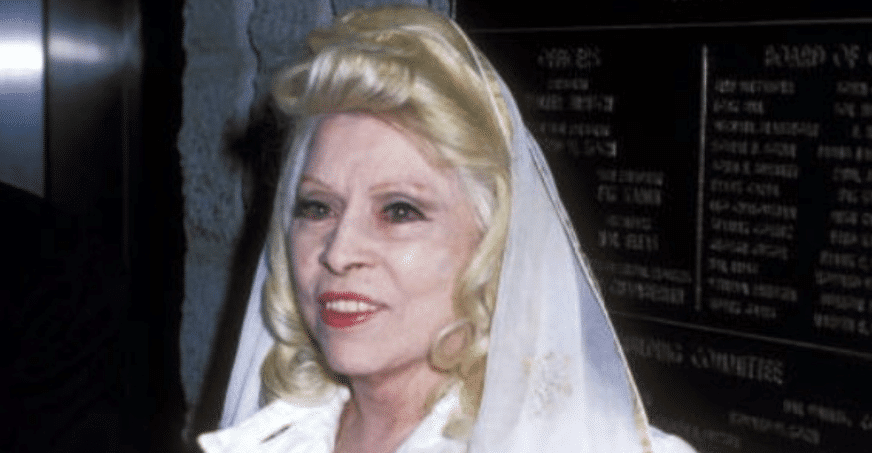
Long before celebrities built personal brands on social media, one fearless entertainer understood the value of a memorable image. She wore sparkling gowns, delivered daring one-liners, and entered every room as if it already belonged to her.
Her name was Mae West.
To audiences of the 1930s, West represented something entirely new. She was funny without pretending to be foolish, glamorous without appearing delicate, and confident without waiting for anyone’s approval. Hollywood executives tried to soften her distinctive personality, but West understood her appeal better than they did.
She was not simply a performer reading lines written by someone else. She was an author, producer, comedian, businesswoman, and expert at turning controversy into publicity.
A Brooklyn Girl With an Unforgettable Ambition
Mae West was born Mary Jane West in Brooklyn, New York, in 1893. Her father had worked as a prizefighter, while her mother encouraged young Mae’s interest in performing.
From childhood, West loved the stage. She appeared in local talent contests and soon entered the demanding worlds of vaudeville and touring entertainment. Those early venues could be unforgiving. Performers had to capture an audience’s attention immediately or risk being forgotten by the next act.
West learned how to pause before delivering a punch line, how to use a glance more effectively than a paragraph, and how to make spectators feel that she was sharing a private joke with them.
She also discovered something that would guide her entire career: originality was more valuable than obedience.
At a time when many female performers were expected to appear sweet, modest, and agreeable, West developed a character who was self-assured, clever, and firmly in command.
Mae West Found Her Voice on Broadway
By the 1920s, West had moved beyond vaudeville and begun writing material for the New York stage. Her productions explored topics that mainstream theater usually approached cautiously—or avoided altogether.
Her work attracted large audiences, but it also drew objections from public officials and cultural watchdogs. One particularly controversial production led to legal action and a brief jail sentence.
For another performer, that episode might have ended a career. West transformed it into national recognition.
Newspapers covered the story, the public became curious, and her reputation as an entertainer who would not be easily silenced grew stronger. She understood that controversy alone could not sustain success, however. Behind the headlines was a disciplined writer with a sharp ear for dialogue.
West knew exactly how her character should speak. Her lines sounded relaxed, yet their timing was carefully constructed. She made bold humor appear effortless.
Hollywood Finally Came Calling
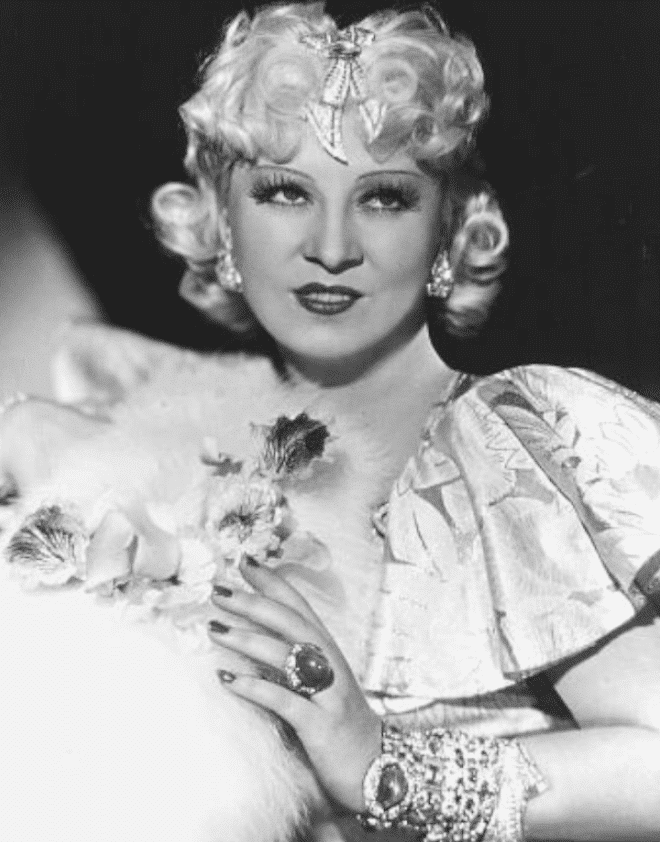
West arrived in Hollywood in the early 1930s, when she was already nearing 40. That was an unusual age for a woman to begin a major movie career, especially in a studio system obsessed with youth.
She ignored the conventional timetable.
Her first feature appearance came in Night After Night in 1932. Although she did not have the leading role, her presence drew immediate attention. West reportedly rewrote much of her dialogue, shaping every scene around the witty personality she had perfected onstage.
The following year, she starred opposite Cary Grant in She Done Him Wrong. Adapted from one of her earlier stage successes, the picture became a major commercial hit and earned an Academy Award nomination for Best Picture.
Its success helped establish West as one of Paramount Pictures’ most valuable stars. It also contributed to Cary Grant’s growing popularity.
West and Grant reunited for I’m No Angel, another enormous success. During a financially difficult period for the American film industry, her movies brought enthusiastic crowds into theaters.
The Woman Who Controlled the Conversation
West’s screen characters rarely waited for events to happen around them. They made decisions, evaluated admirers, and delivered the final joke.
That reversal felt startling in early Hollywood. Many movies presented women as passive romantic figures whose futures depended on the leading man. West placed herself at the center of the story and expected everyone else to keep up.
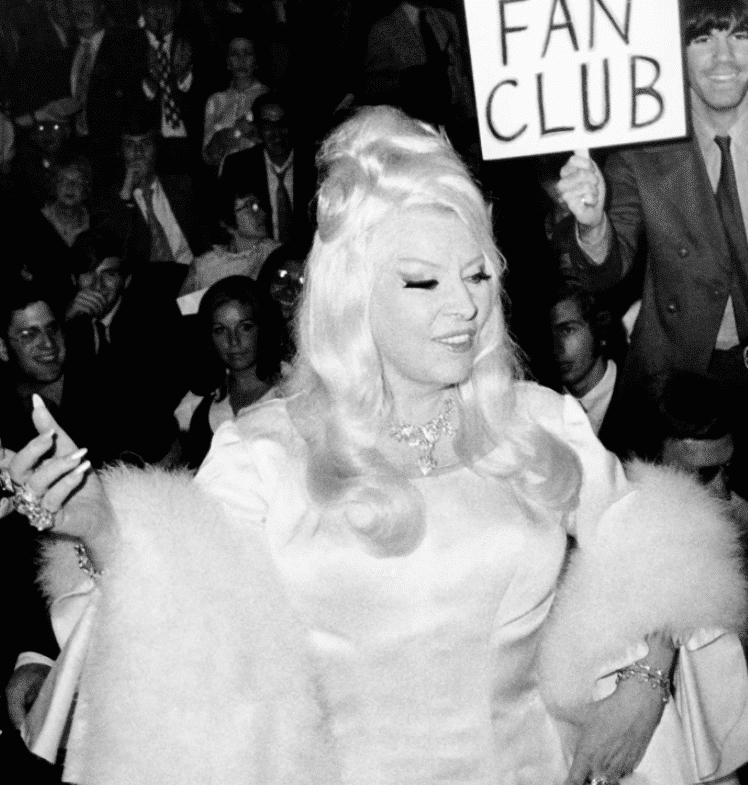
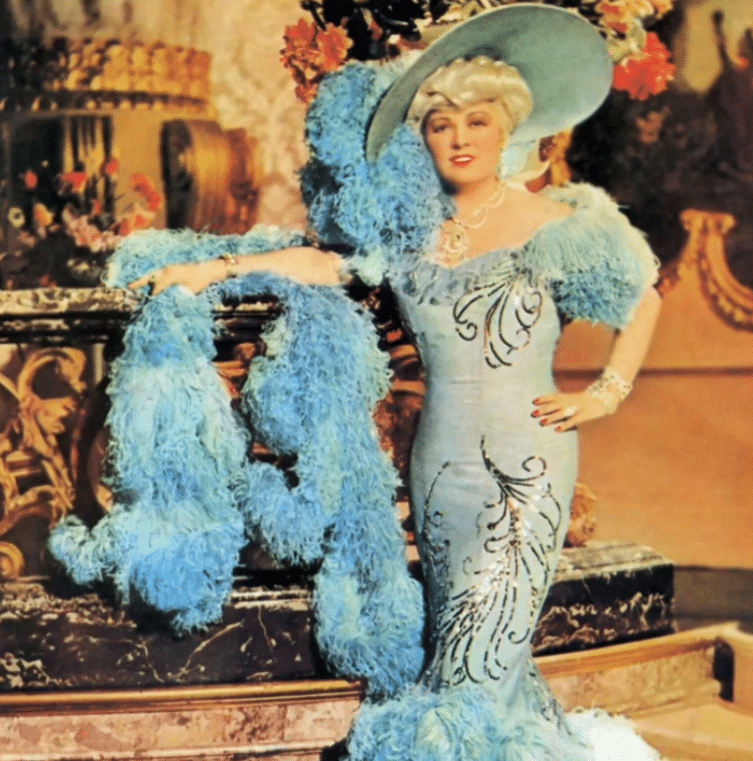
Her elaborate costumes reinforced that authority. Form-fitting gowns, feathered hats, sparkling jewelry, and dramatic shoes were not merely decorations. They were parts of a carefully designed public identity.
West understood visual storytelling before the phrase became fashionable.
Famous One-Liners and Perfect Comic Timing
Mae West became celebrated for suggestive jokes that slipped past audiences with a smile. Her lines operated on more than one level, allowing different viewers to interpret them differently.
This verbal playfulness made her performances feel conversational. She could turn an ordinary exchange into something memorable simply by changing the rhythm of a sentence.
Many remarks associated with West have been repeated, revised, or incorrectly attributed over the years. That confusion demonstrates how completely her style entered American popular culture. A clever, confident one-liner can still be described as “Mae West–like,” even by people who have never watched one of her films.
Her humor also protected her characters. When confronted by criticism or disapproval, they answered with wit rather than embarrassment. Laughter became a form of independence.
Why Her Comedy Still Feels Modern
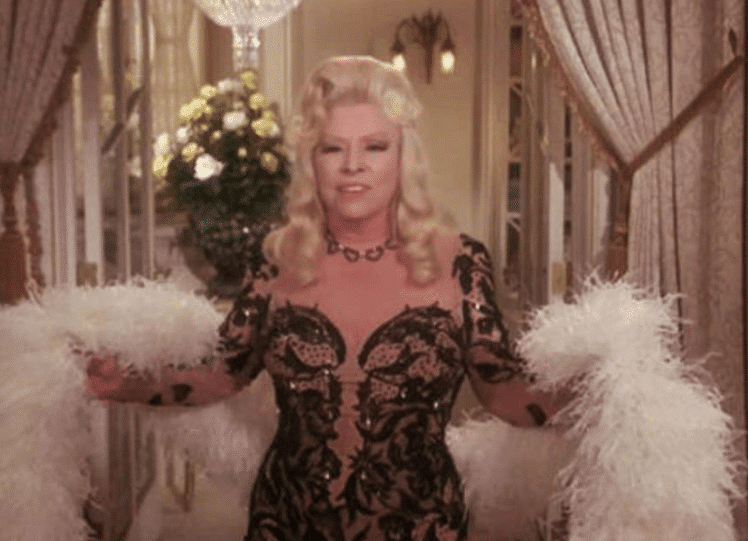
West did not build jokes around putting herself down. She presented confidence as something enjoyable, not something requiring an apology.
That approach remains surprisingly contemporary. Modern performers who write their own material, control their image, and turn personal style into creative power are following a trail West helped establish generations ago.
When Hollywood Censorship Changed the Rules
West’s boldest movie years coincided with a major transformation in American filmmaking. In 1934, enforcement of the Motion Picture Production Code became considerably stricter.
The code placed detailed limits on dialogue, clothing, relationships, and behavior shown onscreen. West’s playful humor naturally attracted close scrutiny.
Studio censors examined her scripts, removed lines, and restricted the material she could present. The very qualities that had made her a box-office sensation were now treated as problems requiring control.
West continued working, but the restrictions narrowed her creative freedom. She appeared in films such as Belle of the Nineties, Klondike Annie, and Every Day’s a Holiday.
In 1940, she joined W.C. Fields for My Little Chickadee. Bringing two enormous comic personalities together produced a memorable film, although their working relationship reportedly involved frequent creative disagreements.
Both stars knew precisely how they wanted a joke delivered—and neither was accustomed to surrendering the spotlight.
A Star Who Refused to Fade Quietly
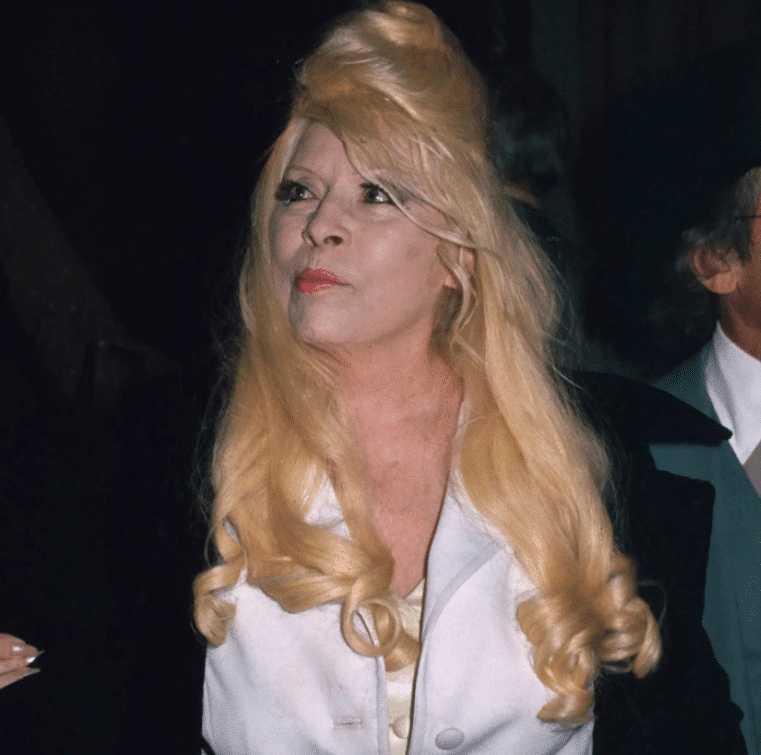
When studio opportunities became less suitable, West returned to live performance. She toured with stage productions, appeared in Las Vegas, and continued presenting the glamorous persona audiences remembered.
Unlike performers who tried to conceal the passage of time, West treated age as another rule she could challenge. She maintained her familiar gowns, carefully styled hair, and unmistakable delivery well into her later career.
Younger audiences rediscovered her during the cultural changes of the 1960s and 1970s. To them, she was no longer simply an entertainer from their parents’ era. She appeared to be an early symbol of personal freedom and creative control.
West returned to motion pictures with Myra Breckinridge in 1970 and later appeared in Sextette in 1978. These projects received mixed reactions, but they confirmed her determination to remain visible on her own terms.
Her presence connected old Broadway, classic Hollywood, postwar entertainment, and a rapidly changing modern culture.
Mae West’s Lasting Influence on American Entertainment
West’s influence reaches far beyond her surviving films. She demonstrated that a woman could create her own dialogue, shape her screen identity, negotiate from a position of strength, and become a commercial attraction without fitting Hollywood’s preferred mold.
She also proved that reinvention has no fixed age limit. Her most famous movie career began when many studios might have considered her opportunity already passed.
For older Americans, her photographs may recall an era of velvet theater curtains, neighborhood movie palaces, radio variety programs, and glamorous studio portraits. Yet her attitude belongs just as comfortably in the present.
Today’s entertainers often speak about controlling their work and maintaining ownership of their public image. Mae West was pursuing those goals nearly a century ago.
The Hollywood Original Who Never Asked Permission
Mae West surprised America because she refused to behave like anyone’s supporting character. She wrote, performed, negotiated, and presented herself with remarkable confidence.
Censorship altered her opportunities, but it never erased her personality. Time changed Hollywood, yet her image remained instantly recognizable: the sparkling gown, knowing smile, and perfectly timed reply.
Her greatest achievement may not have been a particular movie or celebrated line. It was the lasting idea behind everything she did—that originality becomes powerful when a person stops asking permission to possess it.