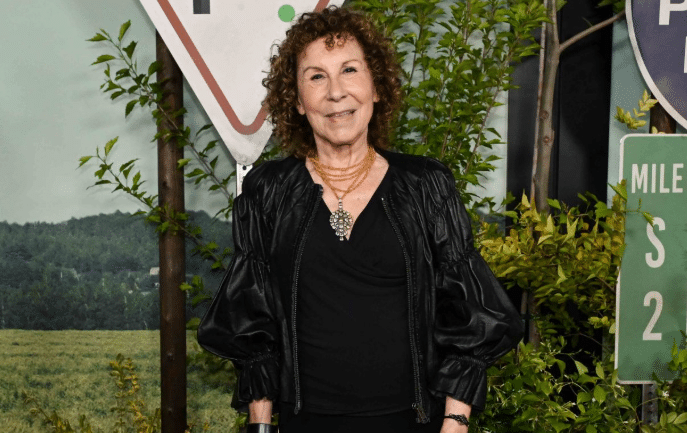
For 11 memorable seasons, she served drinks, delivered perfectly timed insults, and regularly stole scenes from one of the most talented comedy ensembles in television history.
The actress is Rhea Perlman, best known as the sharp-tongued but fiercely loyal Carla Tortelli on the classic NBC sitcom Cheers.
Perlman never needed to be the tallest person in a scene or the loudest name on a poster to command attention. With a quick glance, a perfectly placed pause, or one unforgettable line, she could change the entire rhythm of an episode.
Decades after Cheers closed its fictional Boston bar for the final time, Perlman remains deeply connected with the warmth and humor of television’s 1980s golden age.
Her career, however, extends far beyond Carla Tortelli. It includes theater, movies, family comedies, dramatic performances, and memorable later roles that introduced her to entirely new generations.
A Brooklyn Childhood Before Hollywood
Rhea Perlman was born in Brooklyn, New York, in 1948.
Her father, Philip Perlman, worked in the doll and toy business before eventually pursuing acting later in life. Her mother, Adele, worked as a bookkeeper.
Growing up in Brooklyn gave Perlman a connection to the direct, energetic style of conversation that would later become part of her screen personality.
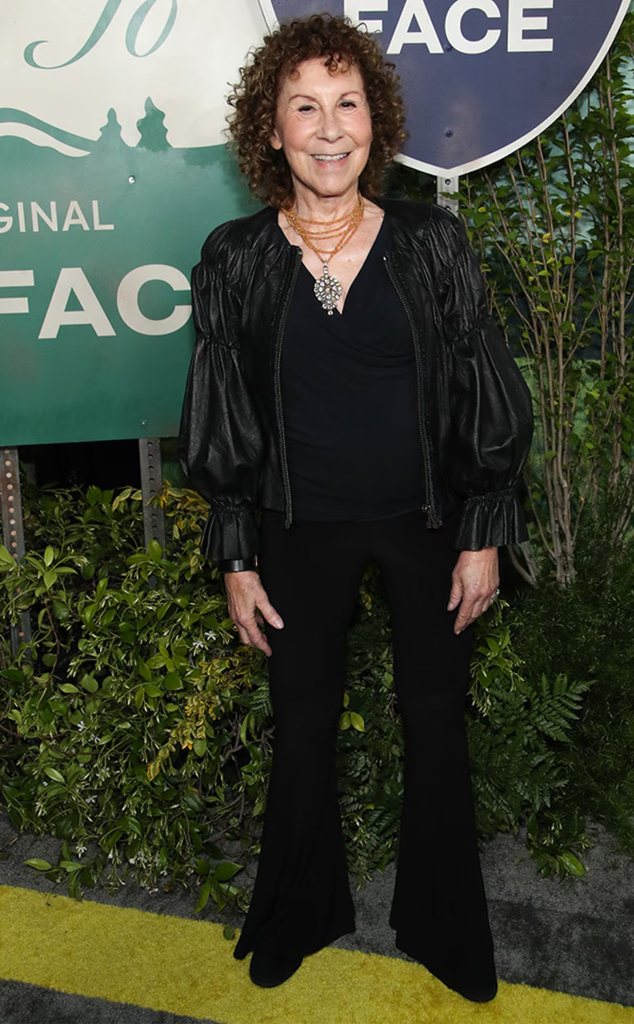
She studied drama at Hunter College in New York City and began seeking opportunities in theater.
Like many young actors, Perlman’s early career involved small productions and uncertain work. There was no guarantee that she would become a television star.
Theater offered valuable experience. An actor performing before a live audience learns immediately whether a comic pause works and how small changes in delivery can transform a scene.
Those lessons would become especially important when Perlman entered the world of television comedy.
Meeting Danny DeVito Changed Her Life
During the early 1970s, Perlman attended a performance of an off-Broadway play featuring a young actor named Danny DeVito.
The meeting led to a personal and creative partnership that would become one of Hollywood’s most recognizable long-term relationships.
Perlman and DeVito began living together and later married in 1982. They welcomed three children: Lucy, Grace, and Jacob.
Their careers developed alongside one another.
DeVito gained widespread recognition as dispatcher Louie De Palma on the television comedy Taxi. Perlman appeared on the series in a recurring role as Zena Sherman, Louie’s girlfriend.
The character allowed her to work opposite DeVito while developing her own place within a highly respected ensemble.
Taxi included performers such as Judd Hirsch, Marilu Henner, Tony Danza, Christopher Lloyd, and Andy Kaufman. Its combination of comedy and heartfelt storytelling helped define sophisticated television during the late 1970s and early 1980s.
Perlman’s appearances were only the beginning of her sitcom legacy.
A Boston Bar Opened Its Doors

Cheers premiered on NBC in September 1982.
The program centered on a neighborhood bar where a group of regular customers and employees gathered to discuss relationships, disappointments, ambitions, and the details of everyday life.
The initial ratings were modest. Few viewers could have predicted that the show would eventually become one of the most celebrated sitcoms in American television history.
Its appeal grew from the sense that the characters formed an unconventional family.
Sam Malone, played by Ted Danson, owned the bar. Shelley Long portrayed Diane Chambers, an intelligent and sometimes overly confident server whose personality regularly clashed with Sam’s.
Coach, Norm, Cliff, and Carla completed the familiar early group.
Viewers returned each week not because the setting changed, but because the characters made the same room feel alive.
Carla Tortelli Was Unlike Anyone Else on Television
As Carla, Perlman played a hardworking server raising a large family while refusing to be intimidated by anyone around her.
Carla could deliver an insult with astonishing speed. Her frequent target was Cliff Clavin, the bar’s endlessly talkative mail carrier, though nearly every character eventually experienced her sharp wit.
Yet Carla was never simply mean for the sake of a joke.
Perlman found the loyalty and vulnerability beneath her defensive personality. Carla worked hard, cared deeply for her children, and protected the people she considered part of her family.
Her toughness came from experience.
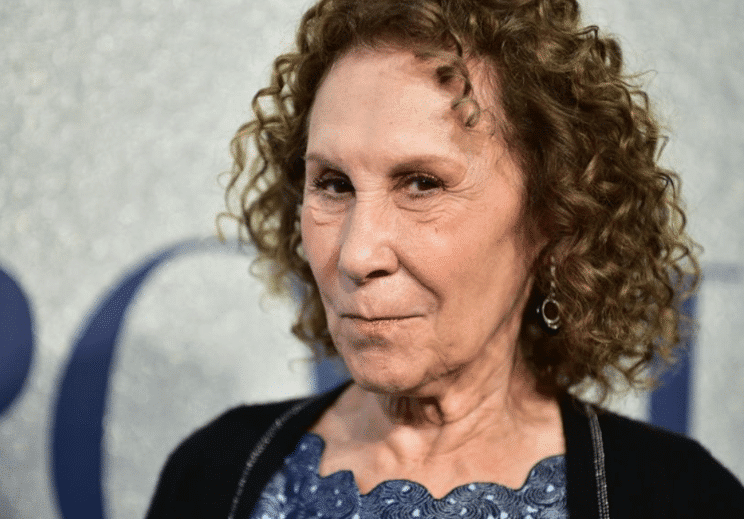
The character did not possess wealth, social status, or conventional elegance. She survived through intelligence, humor, determination, and the refusal to let other people define her value.
That made Carla particularly significant.
Television women were often expected to remain agreeable and polished. Carla was neither. She was complicated, impatient, hilarious, and entirely comfortable occupying space.
Perlman made audiences love her without sanding away those difficult edges.
Four Emmy Awards Recognized Her Work
Perlman appeared in every season of Cheers, remaining an essential part of the series throughout its 11-year run.
Her performance earned 10 Emmy nominations for Outstanding Supporting Actress in a Comedy Series. She won the award four times.
The achievement reflected more than popularity.
Playing the same character for over a decade requires constant adjustment. The performer must preserve the qualities audiences recognize while finding new emotional and comedic possibilities.
Carla remained unmistakably Carla, but Perlman prevented her from becoming a collection of repeated jokes.
The character experienced relationships, family changes, professional frustrations, and personal disappointments. Through all of them, her humor remained a form of resilience.

When Cheers aired its final episode in 1993, millions of viewers said goodbye to characters who had entered their homes every week for more than a decade.
For older audiences, the series remains connected to an era when a successful television finale became a national event.
Comedy That Felt Like a Weekly Visit With Friends
Part of the enduring appeal of Cheers came from its comfortable setting.
The bar remained largely unchanged. Viewers knew the entrance, tables, poolroom, office, and familiar curve of the counter.
There was no need for elaborate locations or expensive visual effects. The stories depended on conversation and character.
That format required extraordinary timing from the cast.
Perlman could wait quietly while another actor completed a long speech, then deliver a brief response that earned the scene’s biggest laugh.
Her comedy felt spontaneous, but it depended upon discipline. A fraction of a second could determine whether a line merely landed or became unforgettable.
The show’s writing gave Carla excellent material. Perlman supplied the expression, pace, and emotional truth that made it work.
Mrs. Wormwood Introduced Her to Younger Viewers
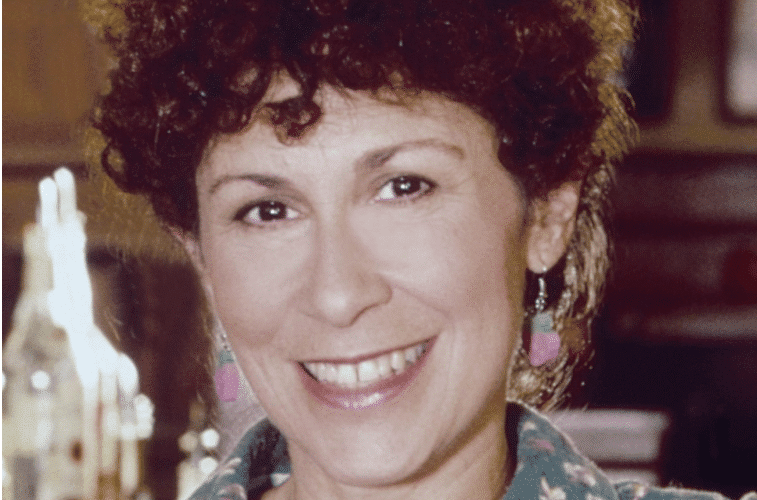
In 1996, Perlman appeared as Zinnia Wormwood in Matilda, directed by Danny DeVito and based on Roald Dahl’s beloved novel.
Mrs. Wormwood was everything young Matilda was not.
She valued appearances and television more than books or education, and she had little understanding of her daughter’s extraordinary intelligence.
Perlman played the character with colorful exaggeration while still making her recognizable as part of the Wormwood family’s chaotic world.
The movie gradually became a favorite through home video and repeated television broadcasts.
Children who had never watched Cheers encountered Perlman through an entirely different role. To one generation, she would always be Carla Tortelli. To another, she was Matilda’s flamboyant and inattentive mother.
The film’s lasting popularity gave Perlman a rare connection across age groups.
Parents who remembered her from prime-time television could share Matilda with their children and grandchildren.
A Career Filled With Varied Roles
Perlman continued appearing in film and television after Cheers.
She starred in the sitcom Pearl, playing a middle-aged widow who decided to attend college. The premise gave her a leading role built around reinvention rather than youth.
She also appeared in projects such as Canadian Bacon, Sunset Park, and The Sessions, demonstrating an ability to move between broad comedy and quieter character work.
Guest roles allowed her to enter established television worlds and immediately bring a recognizable comic energy.
Perlman never relied on physical glamour or traditional leading-lady expectations. Her strength came from specificity.
She understood how a character walked into a room, what that person noticed, and how they protected themselves through language.
That ability made even a relatively brief appearance memorable.
A New Generation Discovered Her in Barbie

Perlman reached another enormous audience through Greta Gerwig’s Barbie.
She portrayed Ruth Handler, the businesswoman who co-founded Mattel and helped create the Barbie doll.
Within the movie’s colorful and imaginative world, Perlman’s character brought a note of warmth, wisdom, and reflection.
The role was an inspired piece of casting.
Perlman possessed the familiar presence of someone audiences trusted, while Ruth represented a connection between the fantasy of Barbie Land and the complicated experiences of real women.
Her scenes helped ground the story emotionally.
Decades after becoming famous in a Boston bar, Perlman was once again part of a major cultural event. This time, younger viewers who may never have seen an episode of Cheers were discovering her work in theaters.
A Personal Life Lived Beyond Simple Labels
Perlman and DeVito have experienced periods of separation, yet their relationship has never fit neatly into the simple categories often preferred by celebrity headlines.
They remained connected through family, affection, and years of shared history.
Both also continued developing successful careers without treating their partnership as a publicity tool.
Their daughter Lucy DeVito became an actress, extending the family’s connection to performance into another generation.
Perlman has generally maintained a grounded public presence. She does not appear interested in turning every personal decision into entertainment news.
That privacy has allowed audiences to focus largely on the work.
The Actress Behind the Familiar Smile
The performer pictured here is Rhea Perlman.
Her career stretches from New York theater and Taxi to Cheers, Matilda, Barbie, and decades of memorable character work.
She won four Emmy Awards, helped define one of television’s greatest ensembles, and created a character viewers continue quoting and rediscovering.
Perlman’s legacy does not depend upon appearing unchanged after nearly 50 years in entertainment.
It comes from the fact that her performances still feel alive.
Carla Tortelli remains behind the bar whenever an old episode begins. Mrs. Wormwood is still wonderfully overwhelmed by the daughter she cannot understand. Ruth Handler continues offering wisdom within Barbie’s bright pink world.
Rhea Perlman never needed conventional Hollywood glamour to command the screen. She relied on something far more durable: impeccable timing, emotional intelligence, and the courage to make every character completely her own.