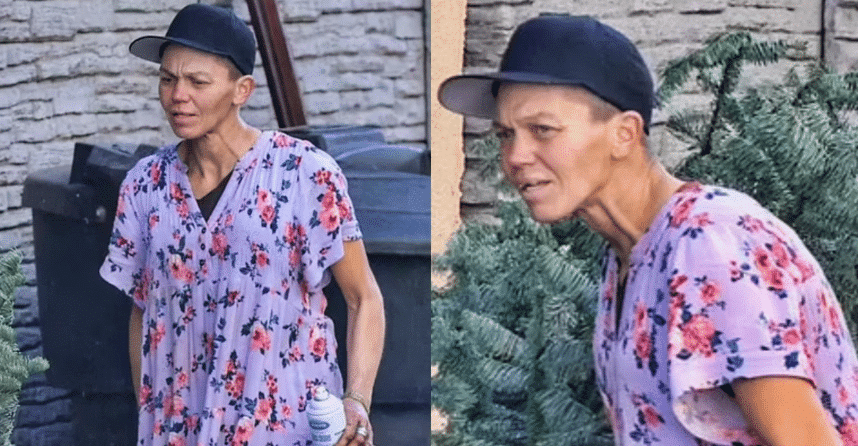
Loni Willison’s name has appeared in many attention-grabbing headlines over the years, often framed around dramatic comparisons between an earlier chapter of her life and later public sightings.
But there is a more thoughtful way to look at her story.
Willison was once known as a fitness model working in a world of photo shoots, magazines, and appearance-driven publicity. She was also briefly married to actor Jeremy Jackson, familiar to many television viewers from Baywatch.
Her story is not a lesson about glamour lost. It is a reminder that public recognition does not protect anyone from personal hardship—and that people experiencing difficult circumstances deserve dignity rather than judgment.
A Career in Fitness and Modeling
Before her name became associated with tabloid coverage, Loni Willison worked as a model in the fitness industry. That work required discipline, preparation, and a strong professional presence.
Fitness magazines and related media were an important part of popular culture during the 2000s. They celebrated training routines, health goals, and aspirational lifestyles, often presenting a highly polished image of the people who appeared on their pages.
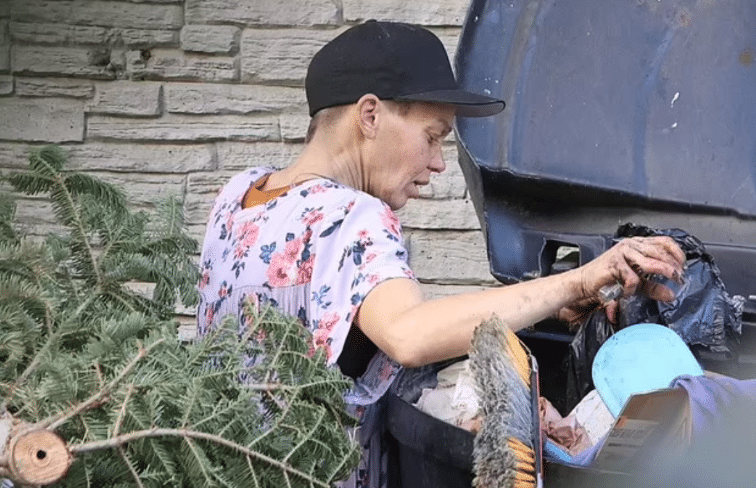
Willison belonged to that world. Like many working models, she built her career around a demanding visual profession where appearances were constantly being photographed, discussed, and evaluated.
Yet a public image can reveal only a narrow part of a person’s life. A magazine cover, a red-carpet photograph, or a celebrity headline rarely tells the full story of what someone may be carrying privately.
A Brief Marriage in the Public Eye
Willison married Jeremy Jackson in 2012. Jackson had been a recognizable young performer since playing Hobie Buchannon on Baywatch, one of the most popular television series of its era.
Their marriage ended in 2014.
In later interviews, Willison spoke publicly about difficult experiences connected to that period of her life. Jackson has disputed allegations made about him. The details became the subject of media coverage, but the broader point is clear: personal struggles are not made easier when they unfold beneath public attention.
Celebrity relationships are often reduced to brief headlines—romance, breakup, reconciliation, or scandal. Real lives are far more complicated than that.
When a relationship ends, the consequences can include financial stress, emotional strain, isolation, and uncertainty. Those experiences are not limited to famous people, but fame can make them more visible and more difficult to navigate privately.
When Headlines Oversimplify a Human Being

Images of Willison taken in public have been repeatedly shared online. Too often, they are accompanied by language that invites readers to stare, speculate, or draw conclusions from a single photograph.
That approach overlooks an essential truth: no one’s worth can be measured by how they appear on one particular day.
Mental-health challenges, housing insecurity, and substance-use problems are complex issues. They do not have simple explanations, and they should not be treated as entertainment.
Public figures who encounter hardship can become symbols for larger social problems, but they are still individuals first. They have histories, families, memories, abilities, and a right to be discussed with care.
For readers, the most meaningful response is not shock. It is empathy.
The Limits of Fame and Visibility
Hollywood often sells the idea that success creates permanent security. A person who has appeared in magazines, attended events, or shared life with a television star may seem protected from ordinary struggles.
Life does not work that way.
Careers change. Relationships change. Support networks can become strained. Health and financial circumstances can shift quickly. Even people who once seemed surrounded by opportunity can find themselves needing help.

Willison’s story has resonated because it challenges the comfortable distance people sometimes place between celebrities and everyday life. It shows that visibility is not the same as stability, and recognition is not the same as support.
That is why the story should be handled with greater care than a before-and-after headline allows.
Why Public Conversations Need More Care
The way we talk about vulnerable people matters. A photograph can travel across the internet in seconds, but it can also encourage harmful assumptions that remain for years.
Using humiliating language or focusing only on a person’s changed appearance turns hardship into spectacle. It does not offer understanding, and it does not reflect the kind of community most people want to create.
A more responsible conversation recognizes that recovery and support can take many forms. It also recognizes that no outsider can fully understand another person’s circumstances from news reports or images.
Rather than asking how someone’s life became difficult, it can be more useful to ask what systems of care are available—and how communities can respond with compassion.
A Story Larger Than Celebrity Culture

Loni Willison’s life has been discussed through the lens of Hollywood because of her earlier career and marriage. But the issues surrounding her story are not exclusive to entertainment.
Across the country, people face periods of instability that are rarely seen by the public. Some are supported by family or community organizations. Others struggle to find help that feels safe, accessible, and appropriate to their needs.
When news coverage focuses only on the contrast between an earlier image and a present-day photograph, it can miss this larger reality.
Willison’s story is better understood as a reminder that people are not defined by their most difficult chapter. They are more than an old magazine image, a former relationship, or a photograph taken without context.
Choosing Empathy Over Curiosity
There is understandable public interest in familiar names from television and entertainment. Nostalgia can be comforting, especially when it reconnects people with the movies, shows, and personalities they remember.
But nostalgia should not come at the expense of someone’s dignity.
Loni Willison’s story asks readers to look beyond the easy headline. It encourages a more humane view of personal struggle—one that values privacy, compassion, and the understanding that every person deserves to be treated as more than a public image.
The most lasting lesson is simple: fame may make a story visible, but kindness is what gives it meaning.