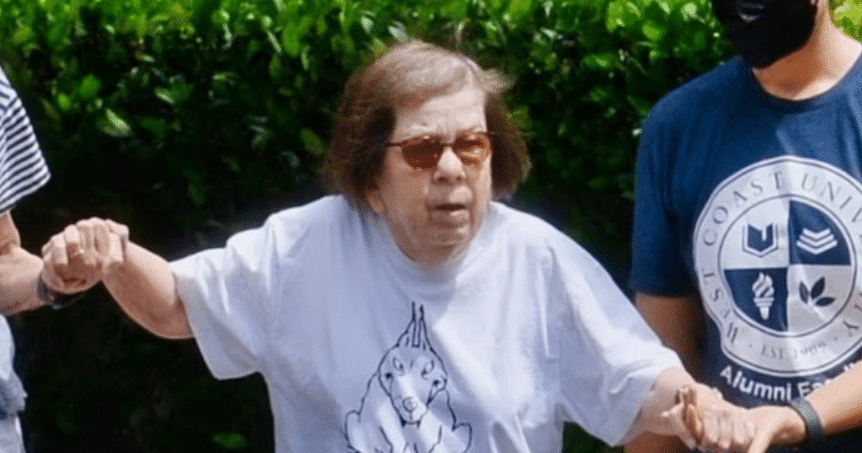
For many television viewers, she will always be Hetty Lange—the sharp-minded operations manager on NCIS: Los Angeles who could command a room with a glance and knew far more than she ever said.
For film audiences, Linda Hunt is also remembered for one of the most unusual and remarkable Oscar-winning performances in Hollywood history.
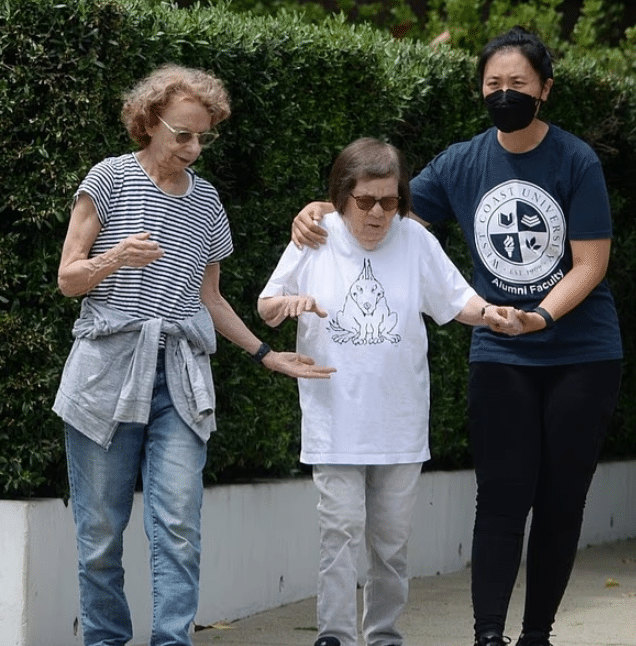
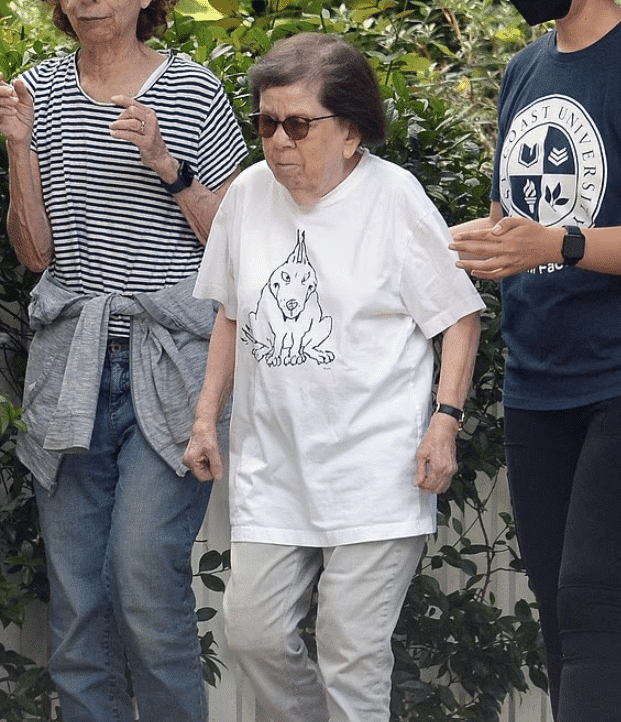
A photograph of Hunt during an everyday outing may prompt recognition, but her real story is not about a brief moment away from a studio. It is about an actor who built a career through intelligence, determination, and an unforgettable presence.
Across theater, film, voice work, documentaries, and television, Hunt has made a lasting mark while following a path entirely her own.
An Actor With an Unmistakable Presence
Linda Hunt was born in 1945 and grew up with a strong interest in performance and storytelling.
Because of a form of dwarfism, she was much shorter than many of her peers. She later spoke about the difficulties of being noticed for the right reasons as a child. Yet those early experiences also helped shape her resilience and her conviction that she belonged on stage.
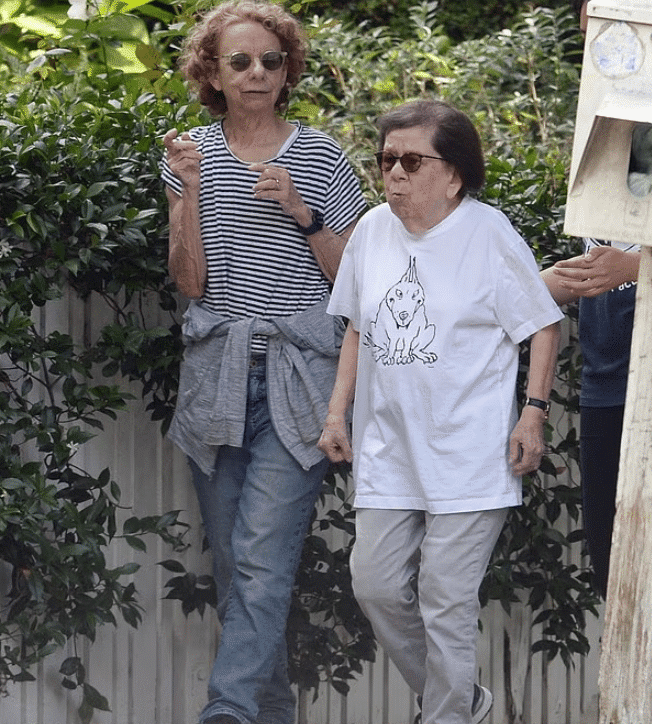
Hunt did not try to become a conventional Hollywood leading lady. Instead, she developed the qualities that made her distinctive: a measured voice, expressive eyes, disciplined acting choices, and an ability to give even a brief scene unusual weight.
Her career is a reminder that screen presence cannot be measured by height, age, or how closely someone fits an expected image. It comes from craft.
Making Oscar History in The Year of Living Dangerously
Linda Hunt’s most famous film achievement came with The Year of Living Dangerously, released in 1982.
In the drama, she played Billy Kwan, a Chinese-Australian photographer working in Indonesia during a period of political unrest. The role was complex and required enormous precision. Hunt created a character whose emotional insight and moral seriousness became central to the film.
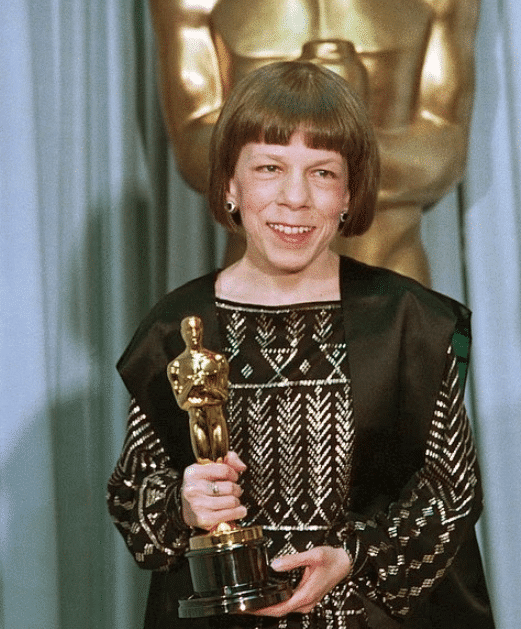
Her performance earned her the Academy Award for Best Supporting Actress.
It was a historic win. Hunt remains the only performer to receive an Oscar for portraying a character of a different sex. The role is often discussed because of its unusual casting, but the reason it endured was her work: thoughtful, sensitive, and fully committed.
Director Peter Weir recognized that Hunt could bring something essential to Billy Kwan. She did not treat the character as an imitation. She built a complete human being with conviction and empathy.
A Strong Foundation in Theater
Before her film breakthrough, Hunt had already developed a serious career in theater.
Stage work demands a different kind of discipline from film. There are no close-ups to carry a moment and no opportunity to repeat a scene after the audience has arrived. Actors must create a character from beginning to end, night after night, with clarity and stamina.
That training stayed with Hunt throughout her screen career.
Her performances often feel carefully constructed because they are. She listens closely, uses silence deliberately, and finds the emotional core of a scene without overplaying it. Those habits are hallmarks of a performer who learned the craft through live theater.
Moving Easily Between Film and Voice Work
Hunt’s film career included a wide range of roles.
She appeared in Kindergarten Cop, showing a lighter and more comic side in a popular Arnold Schwarzenegger film. She also became familiar to younger audiences as the voice of Grandmother Willow in Disney’s Pocahontas.
Her voice was one of her greatest tools. Warm, distinctive, and authoritative, it gave the animated character a feeling of wisdom and calm. Hunt also narrated the PBS documentary series The American Experience, bringing the same thoughtful quality to historical storytelling.
These projects demonstrated her versatility. She could play drama, comedy, animation, and documentary narration without losing the individual presence that made audiences recognize her immediately.
A Respected Television Career
Linda Hunt’s television work is just as important as her film career.
She played Judge Zoey Hiller on The Practice, adding authority and humanity to the legal drama. Then, in 2009, she joined NCIS: Los Angeles as Henrietta “Hetty” Lange.
Hetty quickly became one of the show’s most beloved characters.
She was not the team’s action hero, but she was often its secret source of strength. Hetty managed operations, guided the agents, protected the people she cared about, and carried a mysterious past that unfolded gradually over the series.
Hunt made Hetty memorable because she understood restraint. A small smile, a carefully chosen sentence, or a quiet warning could carry more force than a dramatic speech.
Why Hetty Lange Connected With Audiences
For fourteen seasons, NCIS: Los Angeles gave viewers a dependable mix of action, teamwork, and character relationships.
Hetty stood at the center of that world. She was a mentor, strategist, and occasional source of dry humor. The character could be intimidating, but she also had deep loyalty to the agents under her care.
Hunt’s performance made Hetty feel timeless. She belonged to the modern world of surveillance and investigations, but she also seemed connected to an older tradition of espionage stories, where discretion and intelligence mattered as much as physical force.
When she stepped back from the show during its later years, fans felt her absence. That reaction showed how deeply the character had become part of the series’ identity.
A Long Partnership and a Private Life
Away from the screen, Linda Hunt has shared a long relationship with psychotherapist Karen Kline.
The couple had been together for many years before marrying in 2008. Their partnership has largely remained private, which is consistent with Hunt’s approach to fame. She has always allowed her work to speak more loudly than publicity.
That privacy does not make her career less meaningful. If anything, it helps explain why audiences respond so warmly when they see her in ordinary settings. They recognize someone who has given so much to the screen while carefully protecting the quieter parts of her life.
Why Linda Hunt’s Legacy Endures
Linda Hunt’s career matters because it broadened the idea of who could become a major screen performer.
She did not build her legacy by fitting a familiar template. She built it through ability, preparation, and a rare sense of presence. From an Oscar-winning film role to the voice of Grandmother Willow and the unforgettable Hetty Lange, she has created characters audiences remember.
A candid photo may remind fans of how time moves forward, but the better reminder is this: great performances do not fade simply because years pass.
Linda Hunt gave television and film something irreplaceable—an actor whose quiet authority, intelligence, and originality made every role feel like her own.