
A photograph of two familiar television faces sharing a quiet moment can bring back an entire era of American entertainment.
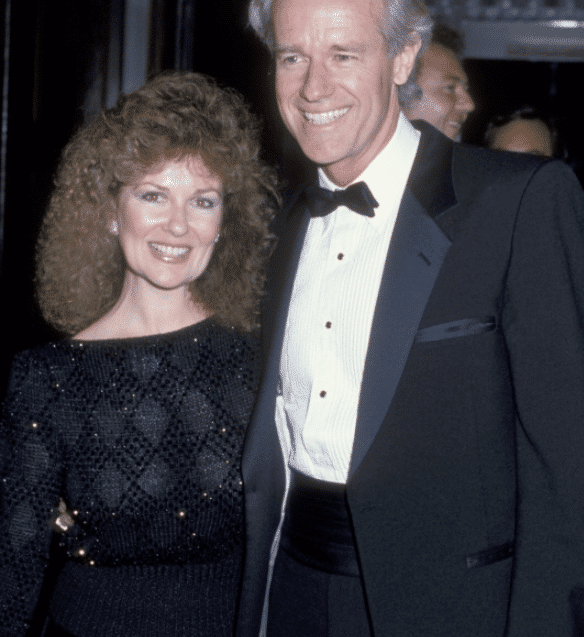
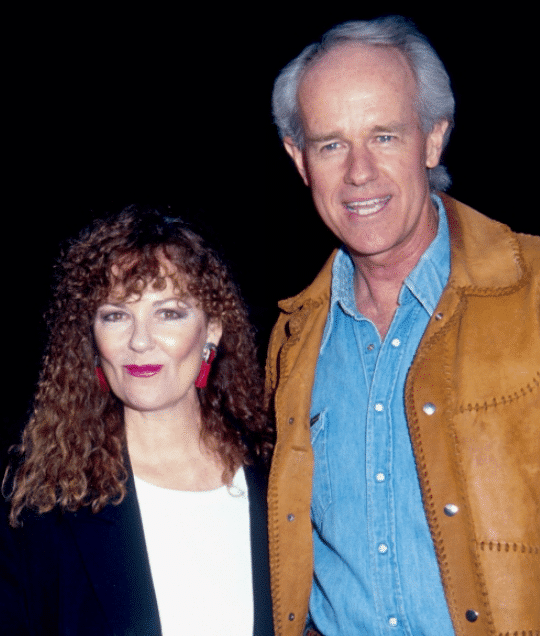
The couple is Shelley Fabares and Mike Farrell, performers whose careers took very different paths before joining in a real-life partnership that has lasted for decades. She became a beloved young television star in the early 1960s and later found a new generation of fans in sitcoms. He became widely known for bringing intelligence and humanity to one of television’s most enduring dramas.
Their appearances together have a special warmth because they do not depend on spectacle. They reflect the quieter kind of Hollywood story: two working actors, each with a substantial career, continuing to share a life well beyond the height of their fame.
Shelley Fabares Became a Favorite of Early Television
Shelley Fabares first entered American living rooms as Mary Stone on The Donna Reed Show.
The series, which ran from 1958 to 1966, centered on a middle-class family and became part of the familiar rhythm of television for millions of viewers. Fabares played Donna Reed’s on-screen daughter with a natural warmth that made her especially popular with young audiences.
She was more than an actress associated with a successful family sitcom. In 1962, she recorded “Johnny Angel,” a single that reached No. 1 on the Billboard Hot 100. The song became one of the era’s memorable pop hits and proved that Fabares could connect with audiences beyond television.
That combination of acting and music made her a genuine early-1960s star.
From Teen Star to Versatile Performer
Like many young performers, Fabares faced the challenge of moving beyond the role that first made her famous.
She worked in films and television throughout the following decades, showing audiences that she could take on more mature material. She also appeared in several movies with Elvis Presley, including Girl Happy, Spinout, and Clambake.
For many later viewers, however, her most recognizable role came in Coach. From 1989 to 1997, she played Christine Armstrong Fox, the thoughtful and capable partner of Craig T. Nelson’s football coach.
The show gave Fabares a second major television identity. She brought poise and humor to the role, helping make Christine feel like a full character rather than simply a sitcom spouse.
Her career is a good example of the patience required to last in entertainment. She did not remain frozen in her first success. She kept finding new work and new audiences.
Mike Farrell Found His Signature Role on MASH*
Mike Farrell became a household name when he joined MASH* as Captain B.J. Hunnicutt.
He arrived in the series’ fourth season, taking over from Wayne Rogers as Hawkeye Pierce’s closest friend and fellow surgeon. The role could have been difficult to inherit on such a popular show, but Farrell made B.J. distinct.
B.J. was compassionate, perceptive, and often quietly funny. He offered a steady emotional balance to the chaos surrounding the doctors of the 4077th Mobile Army Surgical Hospital.
MASH* was one of the most important television series of its time because it blended comedy with the emotional costs of war. Farrell’s performance helped sustain that balance. He made B.J. believable as both a skilled doctor and a man trying to hold onto his values under impossible circumstances.
A Career That Reached Beyond Acting
Farrell’s work has never been limited to performing.
After MASH*, he continued acting in television and film while also becoming a producer and a public advocate. He has spoken and worked on issues involving human rights, humanitarian causes, and social justice.
That commitment gave his public life another dimension. Fans who first knew him as B.J. Hunnicutt came to see a performer who was willing to use his visibility to support causes he believed mattered.
His advocacy has reflected the empathy that audiences often saw in his screen work. While a fictional character and a real person are never the same, Farrell’s career has consistently suggested a serious interest in human dignity and responsibility.
A Partnership Built Away From the Spotlight
Shelley Fabares and Mike Farrell married in 1984.
Both had already spent years working in Hollywood, which may be one reason their relationship has seemed so grounded. They understood the demands of a public career, long production schedules, changing opportunities, and the unpredictability of the entertainment industry.
Their marriage has endured through decades when many celebrity relationships have come and gone quickly in the headlines.
The most appealing part of their story is its steadiness. They are not remembered for a grand publicity campaign or a carefully staged image. They are admired because they have supported one another while maintaining individual careers and interests.
Why Their Appearances Still Connect With Viewers
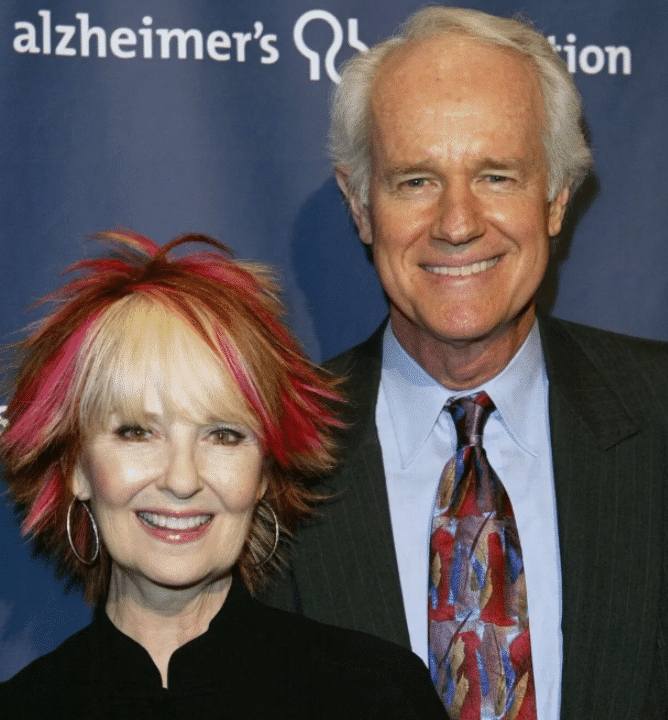
When longtime fans see Shelley Fabares and Mike Farrell together, they may remember different things.
Some think of Mary Stone on The Donna Reed Show or the soft pop sound of “Johnny Angel.” Others picture B.J. Hunnicutt walking through the camp on MASH*, offering a dry observation or a moment of compassion. Still others remember Fabares as Christine on Coach.
That is the power of a long television legacy. These performers were part of viewers’ homes and family routines for years.
Their public appearances now carry the feeling of a reunion with familiar friends. They remind audiences of when television shows were watched week by week, songs were heard on the radio, and certain actors came to feel like part of the household.
A Lasting Kind of Hollywood Story
Shelley Fabares and Mike Farrell represent a different kind of Hollywood romance.
Their relationship is not defined by one movie premiere, one red-carpet photograph, or one dramatic announcement. It is defined by time: a marriage that has lasted more than four decades and careers that have touched multiple generations of viewers.
Fabares brought sweetness, humor, and resilience to television. Farrell brought intelligence, emotional depth, and a lasting commitment to the wider world beyond the screen.
Together, they offer a simple but meaningful reminder that the most enduring stories are not always the loudest ones. Sometimes they are built patiently, through work, respect, shared values, and years spent side by side.