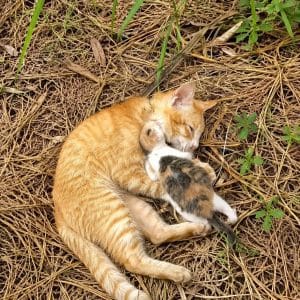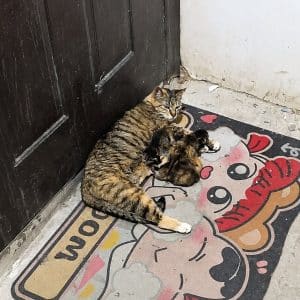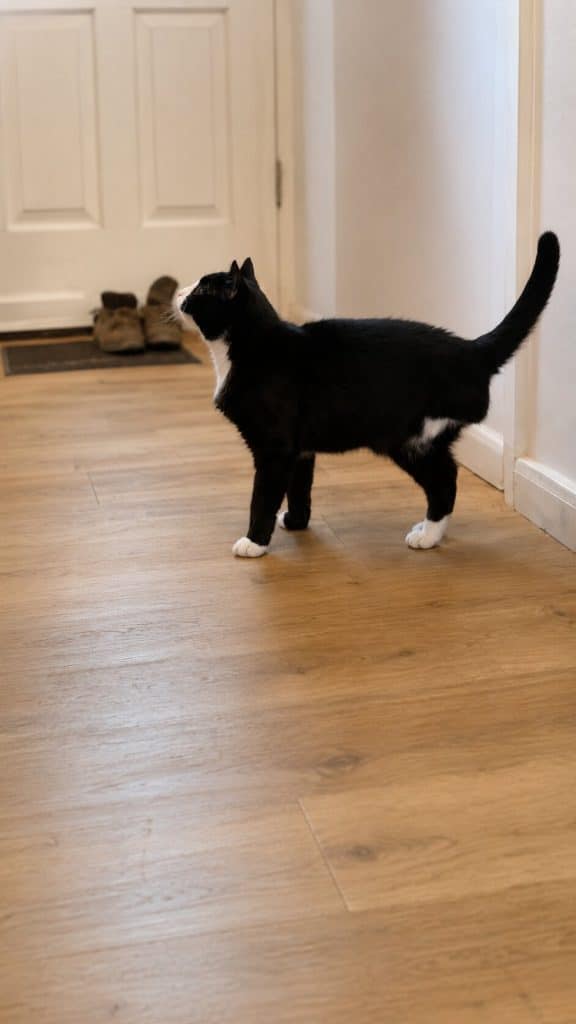
When the tiny three-legged cat was abandoned,
many people assumed life would always be difficult for him.
But what happened next became a powerful reminder that disabled cats are far more capable, adaptable, and resilient than most people realize.
With proper care, patience, and a safe environment,
a three-legged cat can still live a joyful, active, and deeply fulfilling life.
A Second Chance For A Special Cat
After being rescued and adopted into a loving home,
the little cat slowly began learning how to navigate the world with only three legs.
At first,
every movement required extra effort.
Simple things like climbing onto furniture, reaching the litter box, or finding a comfortable sleeping spot became daily challenges.
But cats are astonishingly adaptable animals.
VIDEO: Three-Legged Rescue Cat Learns To Thrive In Loving Home
Over time,
the little survivor developed balance, strength, and confidence in ways that amazed everyone around him.
His journey also revealed something important:
Caring for a disabled cat is not about pity.
It is about understanding how to make life safer, easier, and more comfortable.
Creating Comfortable Sleeping Spaces
One of the first priorities for a three-legged cat is accessibility.
Beds should ideally be placed directly on the floor or in areas that are easy to reach without jumping.
Soft sleeping areas help reduce pressure on the remaining limbs and joints.
Many owners also place several resting spots around the house so the cat can comfortably choose where to relax without traveling too far.
For disabled cats,
small adjustments make a huge difference.
Keeping Essential Areas Close Together
During the early recovery phase — especially after surgery or adoption — moving long distances can quickly become exhausting.
That’s why food bowls, water dishes, litter boxes, and scratching posts should initially be placed close together.
This setup helps the cat conserve energy while learning its new physical limits.
As confidence grows,
the spaces can gradually be spread farther apart to encourage healthy movement and exercise.
Furniture Can Become Helpful “Stairs”
Jumping high places extra strain on the remaining legs and joints.
To reduce injury risk,
many owners arrange small stools, chairs, or ottomans near sofas, beds, or windowsills.
These create gentle “steps” that allow the cat to climb safely instead of making large jumps.
Some families even install ramps or pet stairs specifically designed for disabled animals.
These simple changes allow three-legged cats to stay independent while protecting their bodies long-term.
Litter Boxes Need Special Attention
Standard litter boxes with high walls can be difficult for disabled cats to enter comfortably.
Low-entry litter trays are usually much safer and easier to use.
Owners also need patience during the adjustment period.
Some cats initially struggle with balance while digging or cleaning themselves afterward.
But with time and consistency,
most adapt surprisingly well.
Helping With Grooming
Cats missing back legs or suffering mobility limitations often cannot groom certain parts of their bodies properly.
That’s why regular brushing becomes extremely important.
Gentle grooming sessions not only keep the fur healthy,
but also strengthen trust and emotional bonding between cat and owner.
Many disabled cats grow to love these moments of care and attention.
Maintaining A Healthy Weight Is Critical
Perhaps the most important part of caring for a three-legged cat is weight management.
Even small amounts of extra weight place enormous strain on the remaining limbs and joints.
Over time,
this can lead to pain, arthritis, and reduced mobility.
Healthy nutrition combined with gentle play and regular activity helps keep the cat strong without overloading its body.
Outdoor Time Requires Supervision
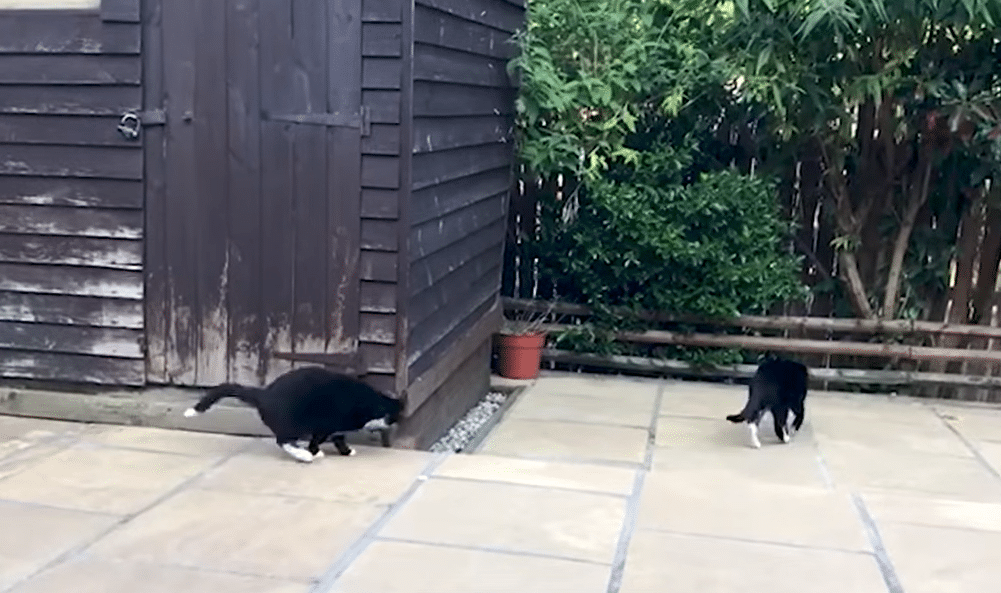
Many three-legged cats still enjoy exploring outside.
However,
owners should supervise them carefully, especially in unfamiliar environments.
Even though many disabled cats become incredibly agile,
they may still face extra risks when climbing, escaping danger, or navigating uneven terrain.
With supervision and patience,
most gain confidence safely over time.
A Life Full Of Joy Is Still Possible
What surprises many people most is how quickly disabled cats adapt emotionally.
They do not focus on what they lost.
Instead,
they focus on living.
Playing.
Climbing.
Seeking affection.
Watching birds from windows.
Curling beside the people they trust.
And sometimes,
they end up becoming the happiest cats in the home.
The abandoned three-legged cat who once seemed fragile and unwanted eventually became surrounded by warmth, comfort, and unconditional love.
Not because life became perfect.
But because someone chose to care enough to help him adapt.
And that choice changed everything.