
For audiences who spent the 1990s discovering new movies at the local theater or bringing home a stack of VHS tapes for the weekend, Oliver Platt was one of those performers who always made an impression.
He may not have been the face largest on the poster, but viewers remembered him. He brought humor, intelligence, and a lively unpredictability to comedies, thrillers, dramas, and adventure films. Whether he was playing a medical student, a loyal friend, a politician, or an anxious professional, Platt had a way of making supporting characters feel essential.
Recent photographs of him on a quiet walk in New York City sparked familiar headlines about appearance. But the more meaningful story is the work behind the public image: a career that has lasted nearly four decades and continues to bring him to new audiences.
A Familiar Face From the Moviegoing Years of the 1990s
Oliver Platt began building his film career in the late 1980s, appearing in Married to the Mob and Working Girl. Those films introduced him to viewers as an actor with an easy sense of timing and a talent for finding the human side of unusual characters.

By 1990, he appeared in Flatliners, the psychological science-fiction drama starring Kiefer Sutherland, Julia Roberts, Kevin Bacon, and William Baldwin. Platt played Randy Steckle, one of a group of medical students experimenting with near-death experiences.
The film became a memorable part of early-1990s pop culture. It had an eerie premise, a stylish visual atmosphere, and an ensemble cast that went on to become even more recognizable in the years ahead.
For Platt, Flatliners was one of several projects that showed he could hold his own in a group of major stars. He did not need to dominate a scene to make it work. A well-placed reaction, a quick line, or a moment of vulnerability was often enough.
The Art of Being the Person Audiences Remember
Some actors become famous for playing the hero. Others become invaluable because they make the hero’s world feel believable. Oliver Platt belongs to the second group.

Throughout the 1990s, he appeared in films including Beethoven, Indecent Proposal, Benny & Joon, The Three Musketeers, A Time to Kill, Dr. Dolittle, Lake Placid, Three to Tango, and Bicentennial Man.
That list reflects a remarkable range. There were family movies, courtroom dramas, romantic comedies, fantasy adventures, and creature features. Platt could adjust his performance to fit each world without losing the qualities audiences recognized: warmth, wit, and a sense that something interesting might happen whenever he entered a room.
For many movie fans, Lake Placid remains a particular favorite. The 1999 adventure-horror comedy gave Platt the chance to lean into the sharp humor that became one of his trademarks. He helped make a strange story about a giant crocodile feel playful as well as suspenseful.
From the Big Screen to Acclaimed Television
As television entered a new era of ambitious drama and character-driven storytelling, Platt found another natural home. He appeared in The West Wing, Huff, The Bronx Is Burning, and The Big C, among other projects.
Each role showed a slightly different aspect of his work. He could play authority with conviction, but he could also reveal the uncertainty or humor behind a character’s polished public manner.
In 2015, he joined Chicago Med as Dr. Daniel Charles, the hospital’s chief of psychiatry. The role introduced him to a new generation of viewers and became one of the longest-running parts of his career.

Dr. Charles is calm, observant, and often called upon during the most difficult moments at Gaffney Chicago Medical Center. Platt gives the character patience and empathy, qualities that have helped make him a steady presence within the show’s busy ensemble.
For viewers who tune in each week, Dr. Charles is a reminder that television drama can be compelling without relying only on the loudest moment in the room.
A New Audience Met “Uncle Jimmy”
More recently, Platt has reached another wave of fans through The Bear. In the acclaimed series, he plays Jimmy Cicero, known as “Uncle Jimmy,” a family-connected businessman whose support and pressure both shape the restaurant’s future.
The character could easily have been reduced to a familiar stereotype. Instead, Platt brings him humor, frustration, concern, and a sense of personal history. Uncle Jimmy may be blunt, but his connection to the people around him gives the role depth.
It is a testament to Platt’s adaptability that audiences can associate him with both Dr. Charles’s quiet insight and Uncle Jimmy’s larger-than-life Chicago energy. The roles are very different, yet each feels fully inhabited.

That kind of range is what keeps a long career interesting. It allows an actor to meet audiences where they are, whether they are watching a network medical drama, a streaming comedy-drama, or a favorite movie from years ago.
A Life in the Theater, Too
Before film and television made him widely familiar, Platt developed his craft in the theater. That foundation remains an important part of his artistic identity.
In 2006, he made his Broadway debut in Shining City, earning a Tony Award nomination for his performance. He later returned to Broadway as Nathan Detroit in a revival of Guys and Dolls.
Stage work demands a different kind of concentration from screen acting. There is no second take, no edit, and no chance to revisit a scene after the audience goes home. An actor must build the character anew at every performance.
Platt’s continued connection to theater helps explain the care he brings to screen roles. Even in a brief appearance, he listens closely, responds naturally, and finds the emotional rhythm of the scene.
Why Oliver Platt’s Career Still Feels So Familiar
Oliver Platt’s appeal has never depended on chasing a single version of stardom. Instead, he has built a career through consistency, curiosity, and a willingness to serve the story.
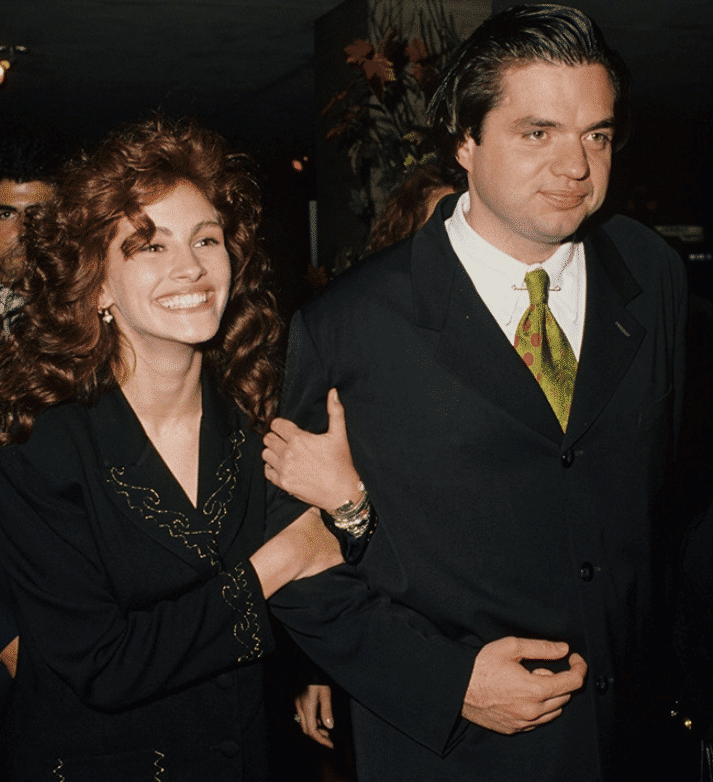
Some viewers remember him from Flatliners or Lake Placid. Others know him as Dr. Charles on Chicago Med. Younger audiences may first recognize him as Uncle Jimmy from The Bear. All of those memories belong to the same durable body of work.
That is why a casual moment away from a set should not overshadow the bigger picture. Oliver Platt remains a working actor with a rare ability to make audiences laugh, think, and care about the people he plays.
For anyone who remembers the moviegoing excitement of the 1990s, his career is a welcome reminder of an era when a great character actor could turn even a small role into something worth