Some Hollywood stars have a way of carrying an entire era with them. One glimpse of their face can bring back memories of neighborhood movie theaters, glossy fan magazines, television dinners, and evenings when families gathered around one living-room screen.
For viewers who grew up in the 1950s, 1960s, and 1970s, Angie Dickinson is one of those unforgettable names.
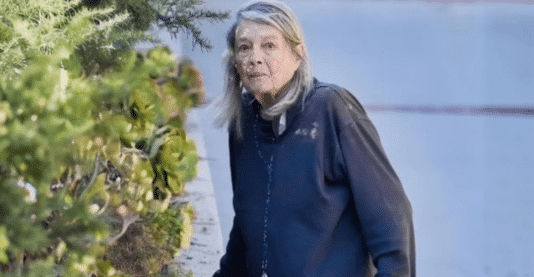
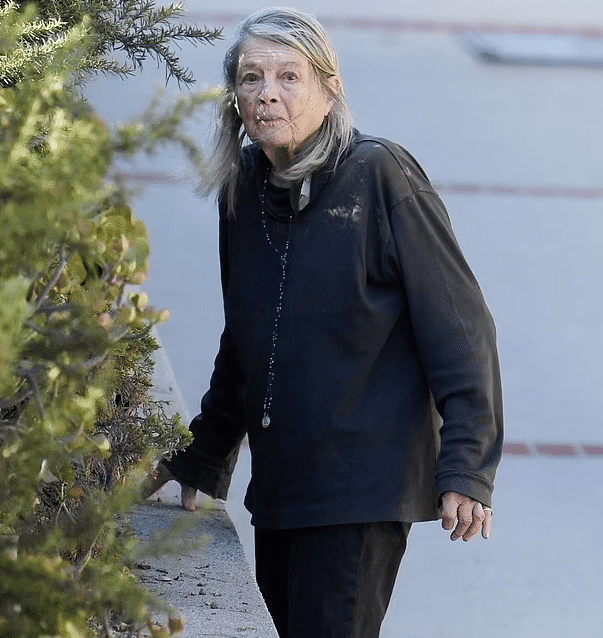
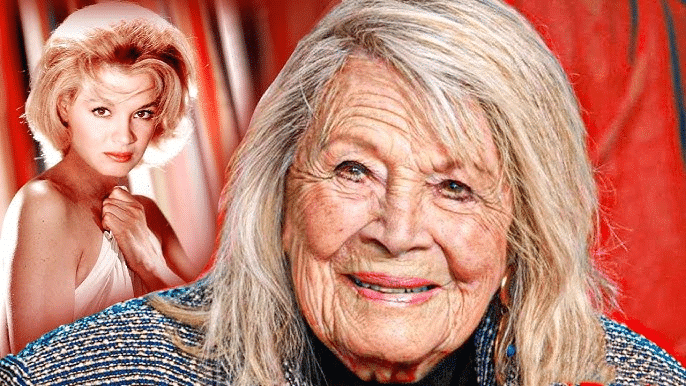
A recent candid photograph of the veteran actress showed her during a simple outing in Los Angeles. She wore dark, understated clothing, far from the carefully styled studio portraits that once appeared in newspapers and movie magazines. Yet the image offers something more valuable than a comparison between then and now.
It invites us to look back at an extraordinary career that stretched across classic Westerns, Rat Pack films, groundbreaking television, and several generations of American entertainment.
For longtime admirers, seeing Angie Dickinson today can feel like opening a treasured family album. The photograph does not erase the past. Instead, it brings all those earlier memories rushing back.
From North Dakota to Hollywood’s Golden Age
Angie Dickinson was born in North Dakota in 1931 and later moved west with her family. Like many aspiring performers of her era, she began her career through television appearances during the 1950s.
At the time, American entertainment was changing quickly. Television was becoming central to family life, while Hollywood studios still produced glamorous films featuring larger-than-life stars. Dickinson arrived just as those two worlds were beginning to overlap in exciting new ways.
Her early work included the 1956 Western Gun the Man Down, but her major breakthrough came only a few years later.
The Western That Changed Everything
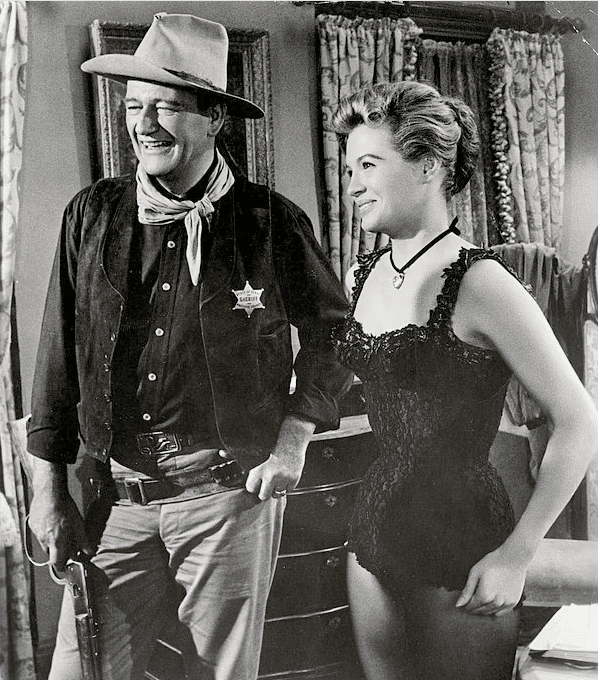
In 1959, Dickinson appeared in Howard Hawks’ classic Rio Bravo. She played Feathers, sharing the screen with John Wayne, Dean Martin, Ricky Nelson, and Walter Brennan.
The film remains a favorite among classic-movie audiences because it had everything viewers loved: a memorable setting, sharp dialogue, music, humor, suspense, and a cast filled with unmistakable screen personalities.
Dickinson brought confidence and warmth to Feathers. She was not simply standing at the side of the action. Her character had intelligence, spirit, and an easy rapport with Wayne’s sheriff.
Her performance earned her a Golden Globe recognition as a promising newcomer and helped introduce her to a far wider audience.
For moviegoers who remember seeing Rio Bravo in theaters, the film still carries the atmosphere of late-1950s America: marquee lights, Saturday-night outings, and a time when a new John Wayne picture felt like a major event.
A Perfect Fit for the Style of the 1960s
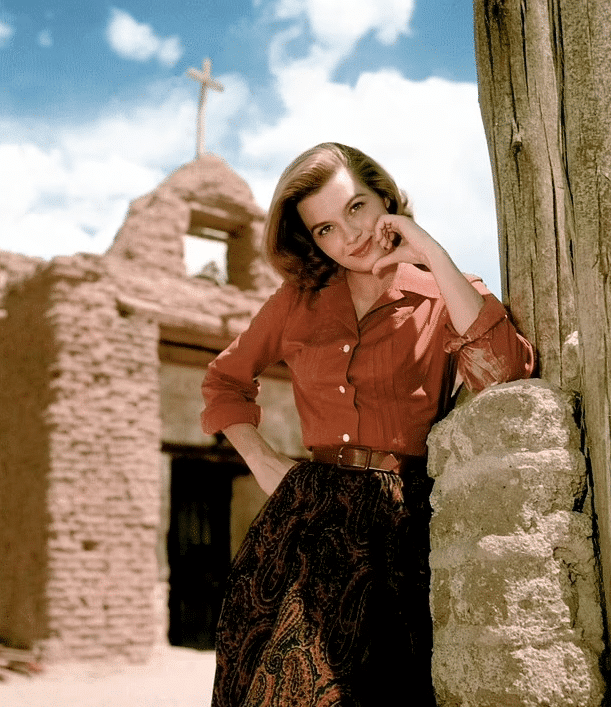
Following Rio Bravo, Angie Dickinson became one of the most recognizable actresses of the 1960s. She had a sophisticated presence that fit perfectly into the decade’s polished Hollywood world.
She moved easily between Westerns, dramas, crime stories, and star-driven studio productions. Her screen presence felt both glamorous and approachable, a combination that helped audiences remember her long after the credits rolled.
One of her most enduring films from that period was the original Ocean’s 11 in 1960.
The Rat Pack Years and Ocean’s 11
In Ocean’s 11, Dickinson portrayed Beatrice Ocean, the wife of Frank Sinatra’s Danny Ocean. The film became closely tied to the famous Rat Pack era, when Sinatra, Dean Martin, Sammy Davis Jr., and their friends represented a stylish blend of music, movies, Las Vegas, and late-night entertainment.
It was a world of tailored suits, glowing casino signs, cocktail lounges, and witty performances. Dickinson belonged naturally in that atmosphere.
Her later film work included The Killers, The Chase, Point Blank, Big Bad Mama, and Brian De Palma’s Dressed to Kill. Each role gave audiences another opportunity to see a performer who could bring poise, humor, and emotional depth to very different stories.
Still, her most significant cultural moment was waiting on television.
The Television Role That Made History
In 1974, Angie Dickinson took on the role that would become closely connected to her name: Sgt. Suzanne “Pepper” Anderson in NBC’s Police Woman.
The series placed Dickinson at the center of an hour-long network drama. As Pepper Anderson, she portrayed a capable police officer handling investigations, difficult assignments, and the pressures that came with the job.
For television audiences in the mid-1970s, that was a major shift.
The Magic of Weekly Network Television
For today’s viewers, it may be hard to imagine how much a favorite weekly program once mattered.
There were no endless streaming menus. If your show came on Wednesday evening, you made sure to be home. Families planned around broadcast schedules, and conversations the next day often began with, “Did you watch it last night?”
Police Woman became part of that shared experience. Pepper Anderson was smart, composed, and memorable. She became one of the defining television figures of the decade.
A Career That Connected With New Audiences
Although many fans first remember Dickinson from the 1960s and 1970s, she continued appearing on screen for many years.
Her later projects included Wild Palms, Sabrina, Pay It Forward, Duets, and Big Bad Love. In 2001, she made a cameo in Steven Soderbergh’s Ocean’s Eleven, creating a lovely connection between the original Rat Pack film and its modern reimagining.
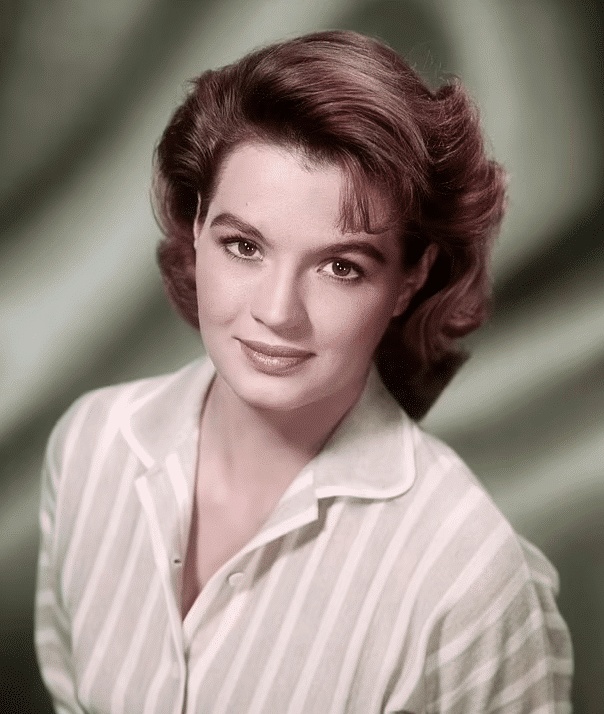
Her final screen credit to date came in the 2009 Hallmark television movie Mending Fences. Since then, she has mostly kept a private life away from the routine demands of Hollywood.
The Roles Fans Continue to Remember
Ask longtime movie and television fans about Angie Dickinson, and the answers may differ.
Some will picture Feathers in Rio Bravo, standing opposite John Wayne with confidence and charm. Others will recall the sleek mood of Ocean’s 11 and the Rat Pack world. Many will immediately think of Sgt. Pepper Anderson, walking into another case with calm authority.
Those roles may be different, but together they reveal an actress with impressive range and staying power.
A Full Life Beyond the Cameras
Angie Dickinson’s life has always been bigger than movie sets, television ratings, and publicity photographs. She was married to composer Burt Bacharach, and their family life included both joy and deeply challenging moments.
That human side matters. Classic stars can sometimes seem frozen in time through old publicity stills and favorite films. But behind every celebrated image is a person who experienced change, family, hardship, and the passing years just as their audiences did.
A respectful look at Dickinson’s legacy should honor both the performer and the person.
A Star From an Era Worth Remembering
Angie Dickinson’s career represents a special chapter in American entertainment. She stood alongside major film stars during Hollywood’s studio era, brought elegance to the Rat Pack world, and helped reshape prime-time television through Police Woman.
Her recent photograph may show a quiet moment far from the spotlight, but it also reminds fans of the remarkable journey behind it.
For some, she will always be Feathers in Rio Bravo. For others, she will be Beatrice Ocean in Ocean’s 11. And for countless television viewers, she will always be Pepper Anderson.
That is the true power of a familiar face from another era: it does not simply remind us of a star. It reminds us of where we were when those unforgettable stories first became part of our lives.