Have you ever looked down at your hands and noticed your veins appearing more prominent than usual? For some, it’s a fleeting observation. For others, it raises questions about health, circulation, and whether something deeper could be going on. While visible veins are often harmless, they can sometimes reflect underlying changes in your body that are worth understanding.
Why Veins Become More Visible
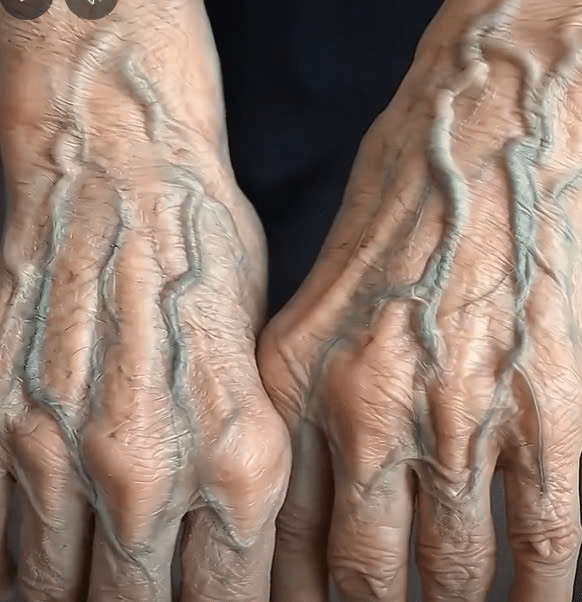
Veins are an essential part of your circulatory system, responsible for carrying oxygen-depleted blood back to your heart. Because they sit closer to the skin and have thinner walls than arteries, their appearance can change depending on several factors.
One of the most common reasons for visible veins is low body fat. When there is less fat beneath the skin, veins naturally stand out more. This is why athletes, bodybuilders, or individuals who have recently lost weight often notice more prominent veins.
Aging is another key factor. As you grow older, your skin becomes thinner and loses elasticity. This makes veins that were always present more noticeable over time.
Physical activity also plays a role. During exercise, your body increases blood flow, causing veins to expand. If you work out regularly, this effect can become more permanent, leading to consistently visible veins.
Even everyday factors like temperature can influence vein visibility. Warm weather or hot showers cause veins to dilate, making them appear larger and more pronounced.
Lastly, genetics matter. Some people naturally have more visible veins due to inherited traits, regardless of their overall health.
When Visible Veins May Signal a Health Issue
While visible veins are often harmless, there are situations where they could indicate an underlying condition.
One such condition is chronic venous insufficiency (CVI). This occurs when the valves in your veins weaken, causing blood to pool instead of flowing efficiently. Symptoms may include swelling, heaviness, aching, and bulging veins.
Another possibility is varicose veins, which appear enlarged, twisted, and sometimes painful. These veins may also cause itching or skin discoloration.
A more concerning condition is superficial thrombophlebitis, where a vein near the surface becomes inflamed due to a small blood clot. This can make the vein feel tender, warm, or firm.
More serious still is deep vein thrombosis (DVT), a condition where a clot forms in a deeper vein, typically in the leg. Warning signs include sudden swelling, pain, redness, and warmth. DVT is considered a medical emergency because it can lead to life-threatening complications if not treated promptly.
Temporary Causes You Shouldn’t Worry About
Not all changes in vein visibility are cause for concern. Several temporary factors can make veins stand out more, including:
- Intense workouts
- Dehydration
- Hormonal changes (such as pregnancy or menopause)
- Rapid weight loss
In most cases, once your body returns to its normal state—rehydrated, rested, or hormonally balanced—your veins will appear less prominent again.
When to See a Doctor
It’s important to pay attention to changes in your body. If your veins suddenly become much more visible without an obvious reason, or if you experience symptoms such as:
- Swelling
- Pain or tenderness
- Warmth around the vein
- Skin color changes
you should consider consulting a healthcare professional. Early evaluation can help detect potential vascular issues before they become more serious.
How to Support Healthy Circulation
Maintaining good vein health doesn’t have to be complicated. Simple lifestyle habits can make a big difference:
- Stay physically active to promote blood flow
- Maintain a healthy weight
- Avoid sitting or standing for long periods
- Elevate your legs when possible
- Stay hydrated
- Eat a balanced, nutrient-rich diet
Compression stockings are also commonly recommended to improve circulation and reduce discomfort, especially for those who stand or sit for extended periods.
In more advanced cases, medical treatments such as sclerotherapy, laser therapy, or surgical procedures may be used to address problematic veins.
The Emotional Side of Visible Veins
Visible veins can affect people differently. Some see them as a sign of fitness and strength, while others may feel self-conscious. It’s important to remember that vein visibility alone is not a definitive measure of your health.
If appearance is a concern, there are safe and effective options available to improve both comfort and confidence.
Final Thoughts
Visible veins in your hands are usually a normal part of how your body functions—often influenced by age, activity level, and genetics. In many cases, they are simply a reflection of natural changes in your body.
However, understanding when they might signal something more serious is key. Paying attention to accompanying symptoms and seeking medical advice when needed can help you stay proactive about your health.
Your veins offer valuable insight into your circulatory system. Listening to what your body is telling you can make all the difference in maintaining long-term well-being.


