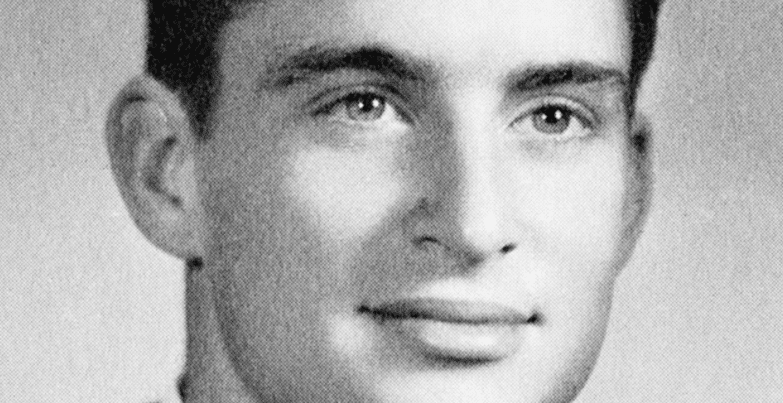
Before the tailored suits, unforgettable movie roles, and decades of Hollywood recognition, Michael Douglas was simply a teenager posing for a school yearbook photograph.
The black-and-white image dates back to 1963, years before audiences would know him from Wall Street, Fatal Attraction, Romancing the Stone, and countless other productions. Douglas himself has shared the old yearbook photograph publicly, identifying it as his high school picture from that year.
With neatly combed dark hair and the formal appearance typical of early-1960s school portraits, the young man in the photograph belongs to a very different America.
No one looking at that quiet yearbook page could have known just how remarkable his journey would become.
Growing Up With a Famous Last Name
Michael Douglas was born on September 25, 1944, into a family already connected to the entertainment business.
His father, Kirk Douglas, would become one of the defining movie stars of Hollywood’s postwar era. For Michael, however, having a famous father brought an unusual challenge: finding a professional identity that belonged to him rather than simply following an established family name.
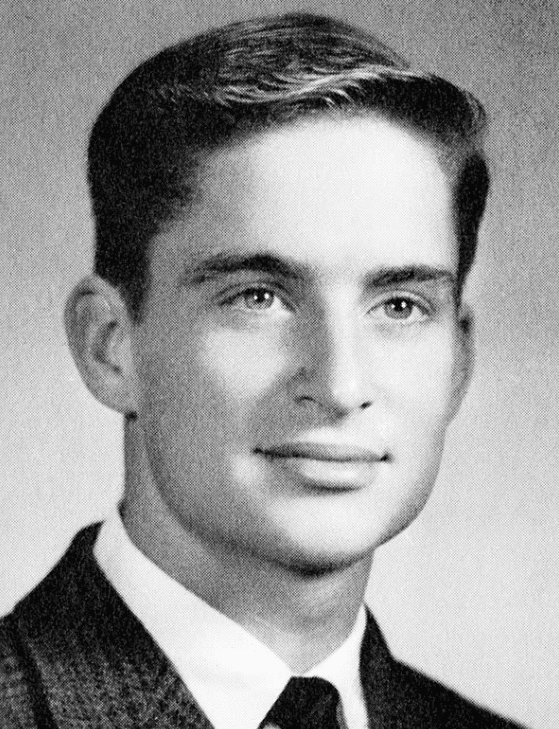
That struggle would eventually become an important part of his story.
Long before he established himself as a leading man, Michael began building experience on television and in smaller film roles. His major television breakthrough arrived with The Streets of San Francisco, where he appeared alongside veteran actor Karl Malden during the 1970s.
For older viewers, that period may bring back memories of network television at its height.
There were no streaming services or endless libraries of programs waiting on demand. Families planned evenings around favorite shows, television guides sat beside the couch, and actors could become household names simply by appearing in America’s living rooms every week.
Douglas was becoming one of those familiar faces.
But acting was only part of what would make his career unusual.
The Decision That Changed Everything
One of the most important chapters in Douglas’s career happened behind the camera.
He became a producer of One Flew Over the Cuckoo’s Nest, the 1975 adaptation of Ken Kesey’s novel. His father had long been associated with the story and had previously played Randle McMurphy onstage, but the film ultimately moved forward with Jack Nicholson in the starring role.
The decision was not necessarily an easy one for the younger Douglas.
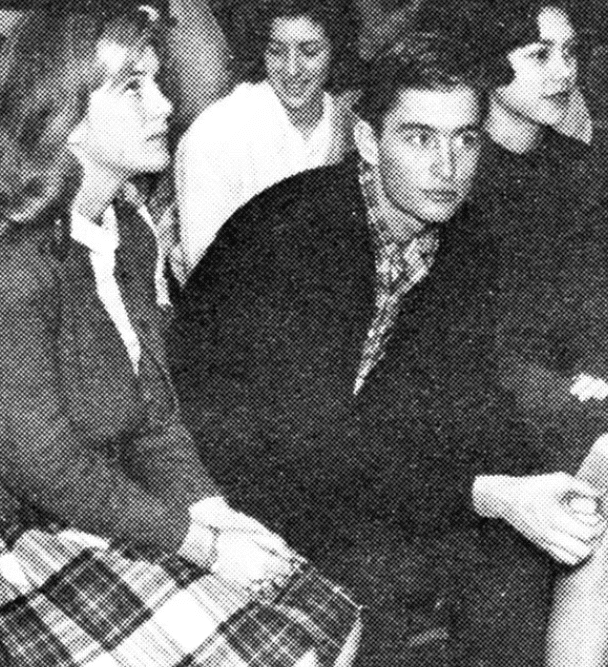
Yet the result became one of the landmark films of the decade.
One Flew Over the Cuckoo’s Nest won five major Academy Awards, including Best Picture, giving Michael Douglas an Oscar as one of the film’s producers.
That achievement established something important very early in his career.
He was not simply the son of Kirk Douglas.
He understood movies from both sides of the camera.
Then Came the Leading-Man Years
By the 1980s, Michael Douglas had developed the kind of screen presence that audiences immediately recognized.
In 1984, Romancing the Stone helped establish him as a major movie leading man. The adventure-comedy paired him with Kathleen Turner, creating one of the decade’s memorable screen partnerships.
Then came 1987.
That year alone produced two roles that became closely associated with his career.
In Fatal Attraction, Douglas starred opposite Glenn Close in one of the decade’s most discussed thrillers. In Wall Street, he played the ambitious financier Gordon Gekko, a performance that earned him the Academy Award for Best Actor.
For moviegoers who experienced those films during their original theatrical runs, the memories often extend far beyond the screen.
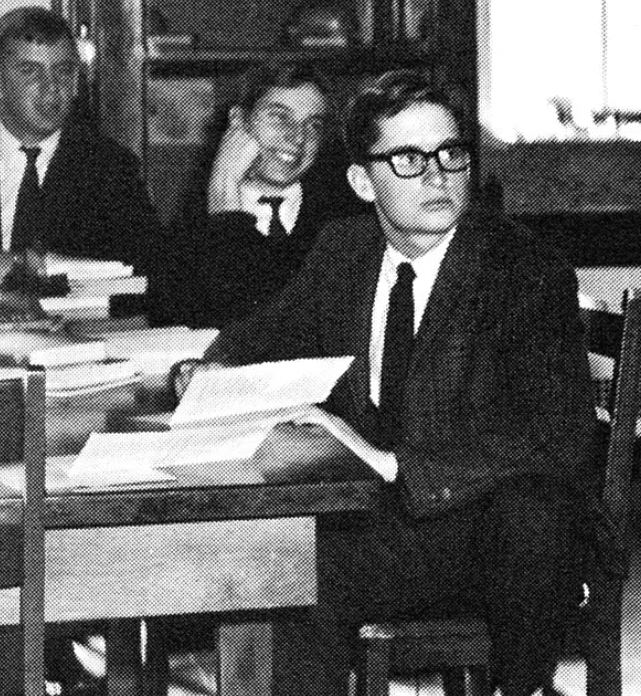
There were newspaper movie listings, Friday-night trips to the theater, VHS rentals, and conversations around office water coolers the following Monday.
Movies became shared cultural events.
Douglas was right in the middle of that era.
A Career That Refused to Stay in One Lane
Many actors become closely identified with one type of character.
Douglas continually shifted between genres.
He could play an adventurous romantic lead, an ambitious businessman, a troubled husband, a police officer, or a complicated figure whose flaws were just as important as his strengths.
That flexibility helped him remain relevant as Hollywood changed around him.
He also continued producing, maintaining the dual career that had distinguished him from the beginning.
That may be one reason his story feels different from the familiar tale of a second-generation Hollywood actor.
The famous family name opened comparisons that he could never completely escape, but his accomplishments eventually gave audiences another Douglas career to remember on its own terms.
What Makes an Old Yearbook Photo So Fascinating?
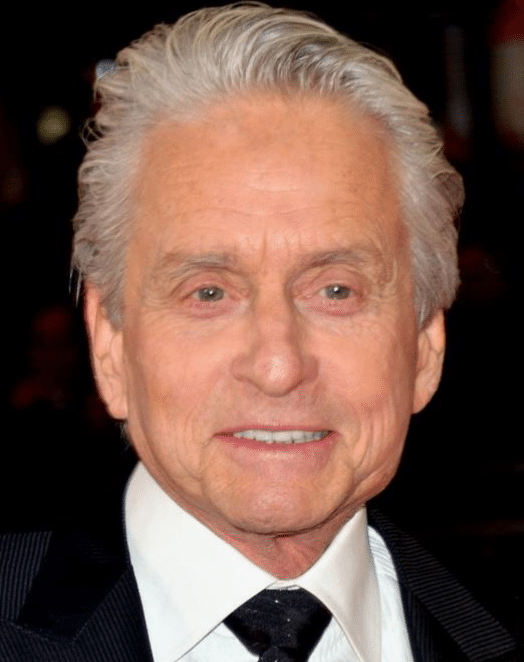
Perhaps the most striking thing about the 1963 photograph is how ordinary it appears.
There is nothing in the image that announces a future Oscar winner.
It looks like the kind of portrait millions of American families still have tucked away in old yearbooks, dresser drawers, or cardboard boxes.
That familiarity is part of its charm.
We know what happened afterward.
The young man grew older. Television gave way to major films. Awards followed. Movie posters bearing his name appeared outside theaters around the world.
But the teenager in the photograph knew none of that yet.
That is what gives vintage photographs their emotional power.
They preserve people before life revealed the next chapter.
More Than Six Decades Later
Michael Douglas remains one of the recognizable figures of his generation of Hollywood performers. His career ultimately stretched across television, acting, producing, and multiple eras of American filmmaking. In 2026, he is also preparing a memoir about his life and career, offering another opportunity to look back at the path that began long before his name appeared above a movie title.
Yet there is something especially appealing about returning to that simple school photograph.
It removes the Oscars, premieres, famous roles, and celebrity image.
For just a moment, Michael Douglas becomes a young man from another time, photographed at the beginning of adulthood.
And perhaps that is why old yearbooks become more valuable as the years pass.
At first, they show us what people looked like.
Decades later, they remind us of everything that was still waiting to happen.